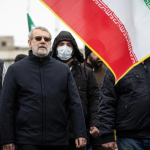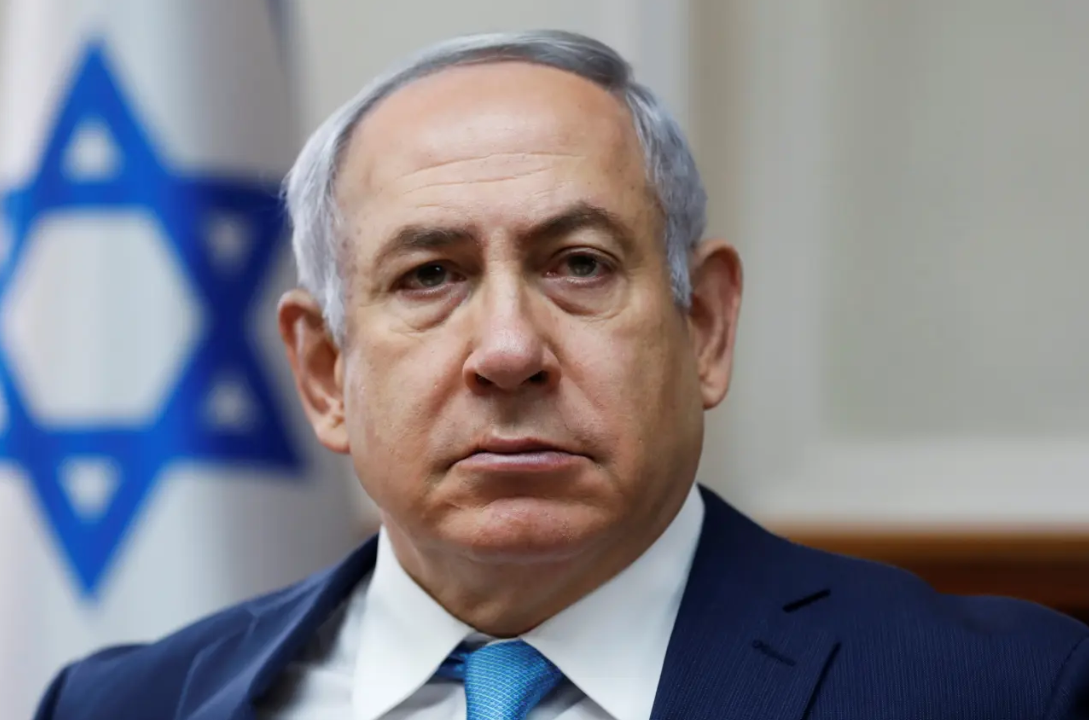
The geopolitical landscape shifted sharply overnight as Israel launched targeted strikes against senior Iranian leadership, marking a significant escalation in the ongoing war. The developments come at a time when the United States is facing increasing isolation from key global allies, raising concerns about the broader direction of the conflict and its global implications.
High-Level Strikes Shake Iranian Leadership
According to Israeli officials, the strikes resulted in the deaths of two high-ranking Iranian figures: security chief Ali Larijani and senior military commander Gholam Reza Soleimani. While Iran has not officially confirmed the deaths, such losses—if verified—would represent one of the most severe blows to Iran’s leadership structure since the early days of the war, when former Supreme Leader Ayatollah Ali Khamenei was killed.
These targeted operations suggest a strategic shift toward decapitating Iran’s command structure, a move that could temporarily disrupt coordination but may not necessarily weaken the country’s long-term operational resilience.
Analysts note that Iran’s leadership system is deeply layered, with multiple tiers of command capable of stepping in. This raises a critical question: whether such strikes meaningfully weaken Iran’s strategic capabilities or simply trigger a rapid internal reorganization.
U.S. Isolation Grows as Allies Refuse Military Support
The strikes come amid mounting diplomatic friction between the United States and its traditional allies. NATO partners, including France, Germany, and the United Kingdom, have openly rejected calls from U.S. President Donald Trump to deploy naval forces aimed at reopening the Strait of Hormuz.
Germany’s defense minister summed up the sentiment bluntly: “This is not our war.”
This refusal highlights a widening gap between Washington and European capitals, signaling a shift in global alliance dynamics. While the United States continues to pursue a more aggressive military posture, European nations appear increasingly focused on diplomatic solutions.
The divide underscores a broader concern among allies about being drawn into a prolonged and unpredictable conflict with far-reaching consequences.
Strait of Hormuz Remains a Critical Flashpoint
At the center of the crisis lies the Strait of Hormuz, one of the world’s most vital maritime chokepoints. Despite not being officially closed, commercial traffic through the strait has slowed dramatically, with only limited shipments passing through.
Iran has stated that the waterway remains open to countries not directly involved in hostilities, with vessels from India, Pakistan, and Turkey reportedly continuing transit. However, the situation remains volatile.
In a troubling development, a Kuwait-flagged tanker near the United Arab Emirates was struck by a projectile, underscoring the persistent risks facing commercial shipping in the region.
The disruption has already had significant ripple effects across global energy markets, contributing to elevated oil prices and increased uncertainty.
U.S. Military Response and Strategic Uncertainty
The United States has taken steps to secure the strait, with President Trump claiming that all Iranian mine-laying vessels have been destroyed. However, uncertainty remains over whether mines have already been deployed in the waterway.
This ambiguity adds another layer of risk to an already fragile situation. Even the perception of danger can be enough to deter shipping companies, amplifying the economic impact.
In response to ongoing volatility in oil markets, the International Energy Agency has indicated that it may consider a second coordinated release of strategic oil reserves, following an initial release earlier in the conflict.
Such measures aim to stabilize markets, but they also highlight the scale of disruption caused by the crisis.
Humanitarian Crisis Expands Across the Region
Beyond the military and economic dimensions, the war is rapidly evolving into a humanitarian crisis.
Lebanon has emerged as one of the most affected areas, with more than one million people—approximately 20% of the population—displaced as a result of the conflict.
Despite warnings from multiple Western governments, including Canada, France, Germany, Italy, and the United Kingdom, Israel has proceeded with a ground invasion in Lebanon.
Officials from these countries have cautioned that the operation could lead to “devastating humanitarian consequences,” further complicating an already dire situation.
Can Leadership Strikes Change the Course of the War?
The effectiveness of targeting senior leadership remains a subject of debate among experts.
Ray Takeyh, a senior fellow at the Council on Foreign Relations, emphasized that Iran’s leadership structure is resilient and capable of regeneration.
“I’m not sure if the United States and Israel are in a position to eliminate Iran’s leadership entirely,” he noted. “The real question is whether internal weaknesses could trigger broader instability.”
This perspective suggests that while leadership strikes may create short-term disruption, they are unlikely to deliver a decisive strategic victory on their own.
Instead, the outcome may depend on internal dynamics within Iran, including the potential for domestic unrest or shifts in political cohesion.
A Conflict With Global Consequences
The war’s impact extends far beyond the Middle East.
Energy markets remain highly sensitive to developments in the region, with oil prices reacting sharply to disruptions in supply routes. Global supply chains are also under pressure, as uncertainty affects trade flows and business confidence.
At the same time, geopolitical alliances are being tested, with traditional partnerships showing signs of strain.
The reluctance of key allies to support U.S. military initiatives reflects a broader recalibration of global priorities, where economic stability and diplomatic engagement are increasingly favored over direct confrontation.
The Road Ahead
As the conflict enters its third week, the path forward remains uncertain.
Several key factors will shape the next phase:
- Whether Iran confirms the deaths of its senior officials and how it responds
- The extent to which the Strait of Hormuz remains disrupted
- The ability of diplomatic efforts to gain traction
- The evolution of humanitarian conditions in affected regions
For now, the situation remains fluid, with risks continuing to escalate across multiple fronts.
Bottom Line
Israel’s targeting of senior Iranian leaders marks a significant escalation in an already volatile conflict. However, the broader picture is defined not just by military actions, but by shifting alliances, economic disruptions, and humanitarian challenges.
With global powers divided and key infrastructure under threat, the war is evolving into a complex geopolitical crisis with far-reaching consequences.
And as tensions continue to rise, one thing is becoming increasingly clear: this is no longer just a regional conflict—it is a global test of stability, strategy, and resilience.