Oil markets are reacting to signs that the Iran war may be nearing a diplomatic resolution, but a return to the pre-war price environment looks increasingly unlikely. Even if Washington and Tehran finalize a deal, reopen key shipping routes, and extend the ceasefire, analysts argue that the old question of when oil will fall back toward $60 per barrel may no longer fit the market reality.
The deeper issue is whether the global energy system that allowed crude to trade near those levels still exists. Months of disruption in the Strait of Hormuz, damage to Gulf energy infrastructure, higher insurance costs, vessel rerouting, and persistent geopolitical uncertainty may have permanently lifted the risk premium embedded in oil prices.
On Thursday, U.S. officials signaled that a deal to end the Iran war could be close. Oil prices gave back much of their early gains, with West Texas Intermediate settling below $90 per barrel and Brent crude ending at $93.71, its lowest level since mid-April. The decline reflected optimism that the worst phase of the crisis could be winding down. But the broader message from energy analysts is more cautious: a ceasefire can reduce panic, but it cannot instantly restore supply chains, shipping confidence, or damaged infrastructure.
The Oil Market Is Pricing More Than the War
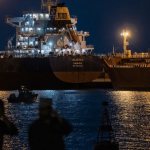
The Iran war has affected oil prices through several channels. The most visible has been the disruption of tanker traffic through the Strait of Hormuz, a critical waterway for global crude and liquefied natural gas flows. When shipping through Hormuz becomes restricted or unsafe, buyers, refiners, insurers, and tanker operators immediately price in higher risk.
But the issue is no longer only about whether the conflict ends. The market is now pricing the possibility that oil transportation through the Gulf will remain more expensive, more heavily insured, and more politically exposed than before.
That is what analysts mean by a geopolitical risk premium. It is the extra amount built into oil prices to compensate for uncertainty. This premium can rise during war, but it does not always disappear once fighting stops. If shippers, traders, and refiners believe the region remains unstable, the cost of moving crude can stay elevated for months or even years.
Ben McMillan, chief investment officer at IDX Advisors, argued that oil returning to $60 is effectively off the table, even if the latest peace effort succeeds. His view is based on two forces: the physical time needed to restore supply and the longer-term risk premium created by the war.
Reopening Hormuz Is Not Like Flipping a Switch
One of the market’s biggest misconceptions is that a diplomatic agreement would immediately restore normal oil flows. In practice, reopening the Strait of Hormuz would be a gradual logistical process.
Tankers diverted during the conflict have been redeployed across global routes. Very Large Crude Carriers do not simply return overnight. According to energy infrastructure specialists, it can take two to three months to reposition tankers back to the Gulf, load crude, and move those barrels through the global supply chain.
That means even a confirmed ceasefire extension would not immediately flood the market with supply. Physical barrels take time to move. Refiners must adjust schedules. Buyers must confirm cargo availability. Insurers must reassess risk. Port operators must normalize procedures. Shipping companies must decide whether the economic incentive justifies returning vessels to the Gulf.
This is why analysts are waiting for consistent vessel movement through the strait, not just diplomatic headlines. The market has heard several reports of progress before. Until ships are moving regularly through Hormuz with the acceptance of both the United States and Iran, traders are likely to treat each announcement cautiously.
Shipping Confidence May Take Time to Recover
The commercial shipping industry plays a central role in whether oil flows normalize. Tankers will return if operators believe the Gulf is safe enough and profitable enough. But after months of disruption, mine threats, attacks, rerouting, and war-risk premiums, confidence will not automatically recover.
War-risk insurance is one of the key factors. If insurers continue to charge elevated premiums for tankers entering the Gulf, the cost of transporting crude will remain higher. That cost can be passed through to buyers and ultimately reflected in oil prices.
Security requirements may also increase. Tanker operators could demand naval assurances, convoy arrangements, revised routing, or stronger protection before committing significant capacity back to the region. These measures reduce risk but add cost and complexity.
The result is that even if crude production improves, delivery costs may remain structurally higher. In that sense, the geopolitical risk premium acts like a tax on oil. It raises the effective cost of supply without necessarily reflecting a shortage of crude itself.
Gulf Infrastructure Damage Adds Another Layer
The war has also strained and damaged key energy infrastructure across the Persian Gulf region. The full extent of the damage remains difficult to assess because some facilities cannot be evaluated properly until shipping and operations normalize.
Damage to liquefied natural gas infrastructure is especially important. Qatar has reportedly estimated that repairing the Ras Laffan LNG plant could take three to five years, assuming the ceasefire holds. Analysts see that as one of the more pessimistic rebuilding timelines, but it highlights the scale of uncertainty surrounding Gulf energy facilities.
Even if oil production can recover faster than LNG infrastructure, the broader energy market is interconnected. LNG disruptions affect global gas prices, industrial energy costs, electricity markets, and fuel substitution patterns. If natural gas supply remains constrained, demand for alternative fuels can shift, adding pressure to crude and refined products.
This infrastructure factor makes the post-war recovery more complicated. Oil prices are not only responding to barrels produced today; they are also pricing future reliability, spare capacity, shipping access, and repair timelines.
The Old $60 Oil Environment May Be Gone
Before the war, oil near $60 was supported by a different set of assumptions. Traders believed supply routes were broadly stable, Gulf energy infrastructure was reliable, and geopolitical risk could be contained. The conflict has challenged those assumptions.
If tanker operators require higher compensation, if insurers keep premiums elevated, if Gulf facilities take months or years to fully repair, and if buyers diversify supply chains away from Hormuz, the market may settle into a higher price range.
This does not mean oil must remain near $90 or $100 indefinitely. A peace deal could still push prices lower, especially if it restores confidence and allows more crude to move through the region. But a return to $60 would likely require more than a ceasefire. It would require visible normalization of shipping, credible security guarantees, repaired infrastructure, stable supply growth, and confidence that the same disruption will not repeat.
That is a much higher bar.
What Traders Should Watch Next
The first signal to watch is actual tanker traffic through the Strait of Hormuz. Diplomatic statements matter, but physical vessel movement matters more. If ships begin transiting consistently, oil markets may price in lower disruption risk.
The second signal is war-risk insurance. If premiums decline meaningfully, it would suggest that insurers see the Gulf as safer. That could lower delivery costs and reduce the embedded risk premium.
The third signal is infrastructure assessment. Markets need clearer information on the condition of Gulf oil and gas facilities, especially LNG assets. Repair timelines will influence expectations for supply reliability.
The fourth signal is the shape of the oil futures curve. If longer-dated contracts remain elevated, it would suggest traders believe the risk premium is structural. If the curve falls across maturities, confidence in normalization may be improving.
The fifth signal is policy. Any U.S.-Iran agreement that includes clear rules for Hormuz, sanctions relief, maritime security, and energy exports could help restore confidence. A vague ceasefire extension may reduce immediate fear, but it may not be enough to erase the premium.
Why Consumers May Not Feel Immediate Relief
Lower crude prices do not always translate quickly into lower fuel costs. Refining margins, shipping costs, inventories, taxes, and regional supply constraints all affect what consumers pay. If crude falls but transportation and insurance costs remain high, gasoline and diesel prices may not decline as much as expected.
There is also the issue of inventories. During a prolonged supply disruption, countries and companies draw down stockpiles. Once the crisis eases, they often rebuild inventories, which can keep demand for crude elevated even as normal flows resume.
This means consumers, airlines, trucking companies, and industrial users may continue to face higher energy costs for some time, even if headline oil prices decline from wartime highs.
The possible end of the Iran war could reduce the most extreme risks in the oil market, but it may not restore the pre-war world of $60 crude. Months of disruption through the Strait of Hormuz, redeployed tanker fleets, war-risk insurance, infrastructure damage, and geopolitical uncertainty have changed how traders price energy security.
A peace deal would be important. It could lower volatility, reopen key routes, and ease inflation fears. But the normalization process will likely take months, not days. The market will need to see ships moving safely, insurers lowering premiums, infrastructure repairs progressing, and both Washington and Tehran honoring any agreement.
Until then, oil may continue to carry a structural risk premium. The war may be winding down, but the cost of uncertainty has already been built into the market. For traders, policymakers, and consumers, the key question is no longer when oil returns to $60. It is whether the conditions that made $60 oil possible still exist.