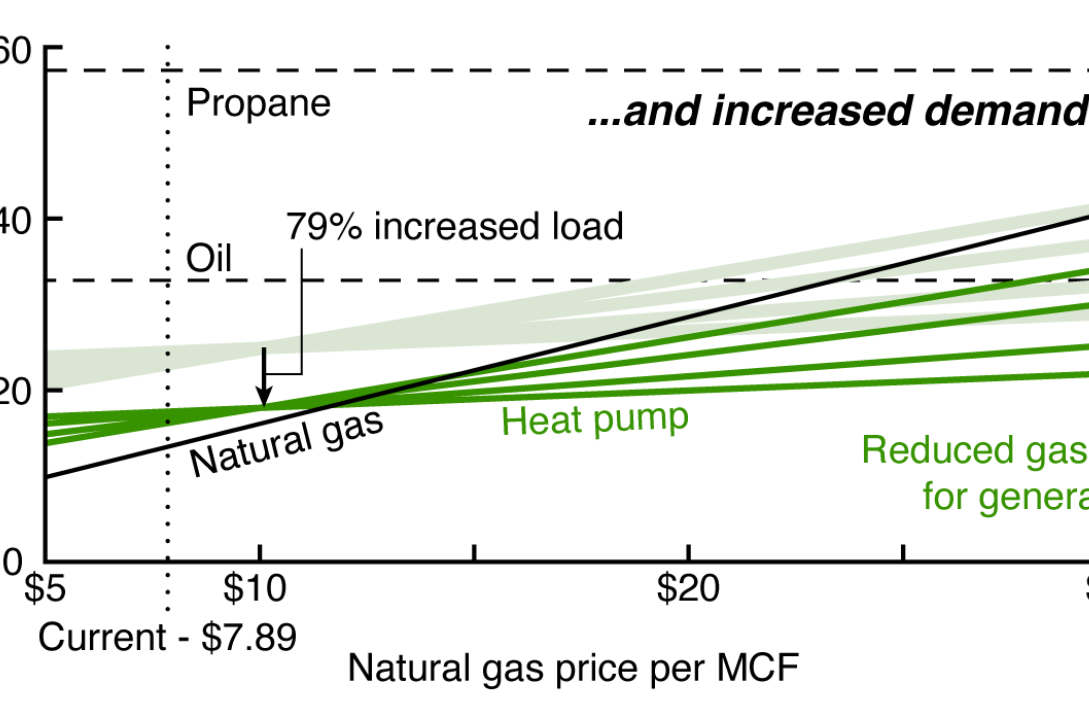
U.S. natural gas futures climbed for a second consecutive session as hotter weather forecasts and a smaller-than-average storage build strengthened the market’s view that summer demand may begin tightening balances. The move reflects a shift in sentiment after weeks of focus on comfortable inventories, with traders now paying closer attention to cooling demand, power-sector gas burn and whether storage injections are slowing as summer approaches.
Nymex natural gas settled 3.8% higher at $3.336 per million British thermal units. The rally followed a 95 billion cubic feet net injection into storage for last week, a build that analysts viewed as supportive because it suggested inventories are no longer expanding at a pace that overwhelms the market.
The latest data helped reinforce a more constructive narrative for natural gas. Inventories remain important, but the market is increasingly sensitive to any indication that supply is not rebuilding as quickly as normal heading into the hottest part of the year. With warming forecasts beginning to translate into a more credible cooling demand story, traders are reassessing the balance between supply cushion and seasonal consumption.
For investors and energy traders, the key question is whether this price strength can continue. Natural gas remains one of the most weather-sensitive commodities in the futures market. If hotter conditions persist and storage builds remain moderate, prices may retain support. If forecasts cool or injections accelerate again, the rally could lose momentum quickly.
Why Natural Gas Prices Are Rising
The immediate driver behind the rally is the combination of stronger weather-driven demand expectations and a storage report that did not show an excessive inventory build. Natural gas prices often react sharply to weather because the fuel is heavily used in power generation. When temperatures rise, electricity demand increases as households and businesses use more air conditioning.
That cooling demand can lift gas consumption by utilities, especially in regions where natural gas-fired generation plays a major role in the power mix. If heat spreads across large demand centers, power burn can increase quickly and reduce the amount of gas available for storage.
The 95 Bcf injection gave traders a reason to believe that storage builds may not be running ahead of market needs as aggressively as feared. A smaller or more contained build can signal that demand is absorbing supply more effectively, even if inventories remain relatively comfortable.
This is why the market reacted positively. Traders were not only looking at the current storage number. They were also looking at what it implies for the weeks ahead. If injections slow during the early part of summer, the market may start pricing tighter balances before inventories show a dramatic shift.
Storage Data Changes the Market Narrative
Storage data is one of the most important weekly signals for natural gas traders. The market watches whether injections are larger or smaller than expected, how they compare with seasonal norms and whether they suggest a tightening or loosening supply-demand balance.
The latest 95 Bcf build was seen as supportive because it kept intact the argument that storage growth is no longer “running away” from the market. In other words, inventories are still rising, but not at a pace that makes it impossible for demand to catch up during the summer.
That distinction matters. A storage build does not automatically pressure prices. If the build is smaller than feared or below normal for the season, it can indicate that underlying demand is stronger than expected. Natural gas traders often care less about whether inventories rose and more about whether they rose enough.
The market’s response suggests that traders are beginning to focus on the rate of change. If future injections remain moderate, the storage surplus could narrow. That would support prices, especially if weather demand grows. If injections jump back above expectations, bearish sentiment could return.
Hotter Forecasts Strengthen the Cooling Demand Story
Weather is now becoming the central factor for natural gas. As summer approaches, hotter forecasts raise expectations for stronger electricity demand. In the United States, air-conditioning load can be a major driver of power consumption, and natural gas often supplies a large share of that incremental demand.
The latest forecasts appear to be turning into a more credible cooling demand story. That means traders are no longer treating heat as a distant possibility. They are beginning to price it as a real demand factor that could affect storage injections and market balances.
This shift can create rapid price movement. Natural gas is highly reactive to forecast changes because demand can rise or fall quickly depending on temperature expectations. A few hotter model runs can support futures, while cooler revisions can pressure prices.
For now, the market appears to believe that heat is becoming more relevant. If forecasts continue to warm, traders may expect stronger power-sector gas burn and smaller storage injections. That would help support prices above recent levels.
However, weather support can be unstable. Forecasts can change quickly, and a move toward milder temperatures would weaken the demand argument. This makes the current rally vulnerable to revisions in weather models.
The Summer Demand Window Is Opening
Natural gas markets are entering a seasonal window where cooling demand becomes more important than spring storage comfort. During shoulder seasons, when heating and cooling demand are both limited, inventories can build quickly. But summer changes the equation.
As temperatures rise, power generators may burn more gas to meet electricity demand. If the heat is widespread and persistent, the effect can be significant. In that environment, even a comfortable storage position can become less bearish if the market believes demand will reduce future injections.
This is why the latest price action matters. The market is shifting from looking backward at inventory surpluses to looking forward at summer consumption. That does not mean storage no longer matters. It means storage must now be interpreted through the lens of weather and power demand.
If the summer turns hotter than normal, the current storage cushion could shrink. If the summer is mild, the cushion could remain wide and cap price gains. Traders will therefore continue to treat weather forecasts as the most important short-term catalyst.
LNG Exports Remain a Secondary Support Factor
Although the latest market move was mainly tied to weather and storage, LNG exports remain important for the broader natural gas outlook. Strong liquefied natural gas export demand pulls more gas from the domestic market and can tighten balances, especially during periods of rising power consumption.
If LNG export flows remain firm or improve after maintenance-related disruptions, they could add another source of demand support. That matters because the U.S. natural gas market is increasingly connected to global energy conditions. Export terminals can absorb large volumes of gas, reducing the amount available for storage.
However, export demand alone may not be enough to sustain a rally if weather turns mild or production remains strong. LNG is supportive, but the summer price path will likely depend on the combined effect of exports, power demand and supply levels.
Traders will therefore continue watching feedgas flows to LNG facilities alongside storage data and weather forecasts. A combination of hotter weather, moderate injections and solid LNG exports would create a stronger bullish case.
Supply Conditions Still Matter
Natural gas prices can rise on demand expectations, but supply remains a key part of the equation. If U.S. production remains strong, the market may be able to meet higher summer demand without drawing down inventories aggressively. If production slows or pipeline flows tighten, the market could become more sensitive to heat.
At current prices, producers may have more incentive to maintain or increase output. But production response is not always immediate. Operational constraints, capital discipline, regional pipeline limits and hedging strategies can all influence how quickly supply reacts.
This is why storage data is so closely watched. It acts as a real-time summary of the supply-demand balance. A moderate injection can suggest that supply is not overwhelming demand. A large injection can suggest the opposite.
For now, the 95 Bcf build has helped the market believe that balances may be tightening enough to support higher prices. Future reports will need to confirm that trend.
What This Means for Energy Markets
Higher natural gas prices can affect several parts of the energy market. Utilities may face higher fuel costs if power-sector gas demand rises sharply. Industrial users that rely on natural gas as an input may also monitor price increases closely.
For natural gas producers, higher prices can improve revenue expectations, particularly for companies with significant dry gas exposure. Midstream companies may also benefit if higher demand supports pipeline volumes and flows to LNG export terminals.
For consumers, the impact depends on whether higher wholesale prices feed into electricity costs. During periods of strong cooling demand, higher gas prices can contribute to higher power generation costs, although the pass-through varies by region and utility structure.
For broader markets, natural gas is also tied to inflation expectations through energy costs. It does not always move consumer inflation as visibly as gasoline, but sustained price increases can still affect electricity, industrial costs and heating expectations later in the year.
What Traders Should Watch Next
The first factor to watch is weather. If forecasts continue to show hotter conditions across major demand regions, the market may remain supported. If forecasts moderate, recent gains could be tested.
The second factor is weekly storage data. The market will want confirmation that injections are not rebuilding inventories faster than normal. Another moderate build would strengthen the bullish narrative, while a larger build could weaken it.
The third factor is power-sector demand. Traders will monitor whether forecasted heat translates into actual gas burn by utilities. Weather expectations need to become real consumption to sustain the rally.
The fourth factor is LNG export flow. Strong feedgas demand from export terminals would add support, especially if domestic power demand is also rising.
The fifth factor is production. If output remains high, it could offset demand growth. If production softens, prices could become more sensitive to heat-driven consumption.
Conclusion
U.S. natural gas futures rose for a second straight session, supported by hotter weather forecasts and a 95 Bcf storage injection that suggested inventories are not expanding too quickly heading into summer. Nymex natural gas settled 3.8% higher at $3.336 per mmBtu, as traders gave more weight to cooling demand and less weight to the broader storage cushion.
The market is shifting from a spring surplus narrative to a summer demand narrative. That shift does not guarantee a sustained rally, but it changes the focus. Traders are now watching whether heat, power demand and LNG exports can slow storage growth enough to tighten balances.
Final Takeaway
Natural gas prices are rising because the market sees a stronger summer demand story forming. The latest storage build was not small, but it was supportive enough to suggest inventories are no longer rebuilding too quickly. If hotter forecasts persist and injections remain moderate, natural gas may retain support. If weather cools or storage builds accelerate, the rally could fade.