U.S. natural gas futures moved higher on Wednesday, ending a three-session losing streak as weather forecasts added some heat for late June and traders shifted focus toward the next weekly storage report. Nymex natural gas settled up 1.4% at $3.185 per million British thermal units, recovering modestly after recent weakness.
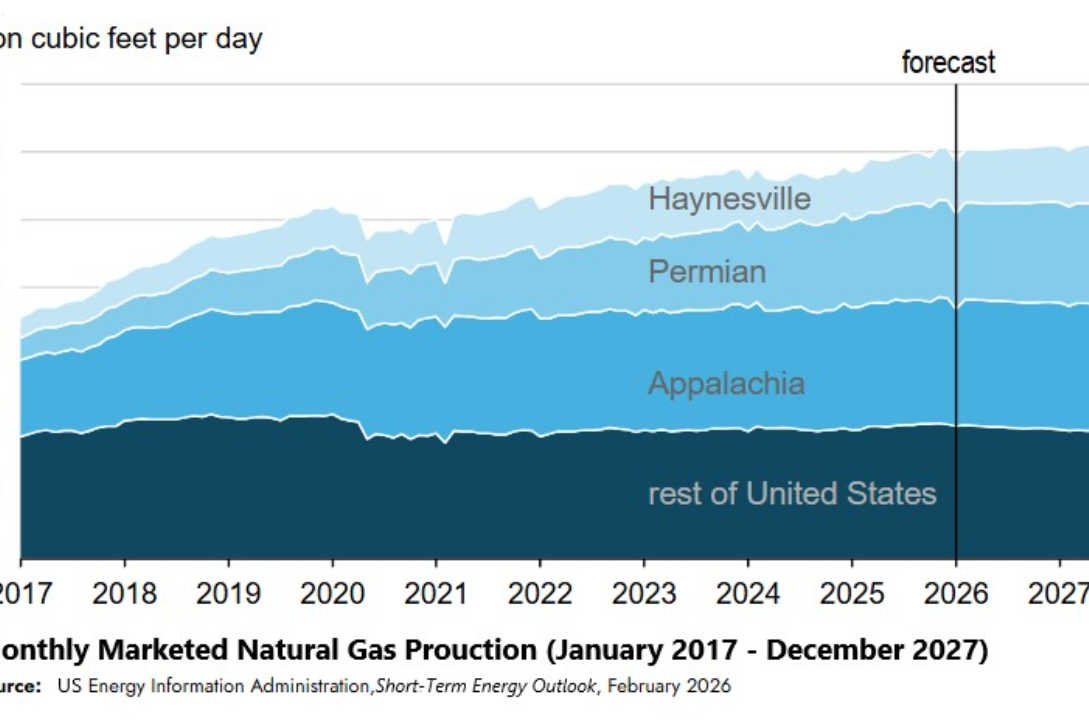
The move reflects a market caught between short-term weather support and longer-term supply concerns. Warmer late-June forecasts can lift expectations for cooling demand, especially if higher temperatures increase electricity consumption from air conditioning. But the market is still facing rising production and uncertainty over whether summer heat will be sustained enough to create a stronger demand pull.
Thursday’s weekly inventory report from the U.S. Energy Information Administration is now the key near-term catalyst. The report is expected to show a storage build of around 100 billion cubic feet, slightly above average. Recent storage reports have been supportive of prices, and some analysts believe another bullish surprise could extend the rebound.
Eli Rubin of EBW Analytics noted that the market could see further upside if the EIA delivers a third consecutive bullish storage surprise. At the same time, he warned that rising production and a lack of sustained summer heat could allow early-summer bullish seasonality to peak.
That tension defines the current natural gas setup. Prices are gaining support from weather risk and the possibility of tighter-than-expected storage data, but the market still needs stronger evidence of durable demand before a larger rally can develop.
Why Natural Gas Prices Rebounded
Natural gas prices rose because traders saw enough short-term support to pause the recent selling pressure. After three consecutive lower sessions, the market was vulnerable to a corrective rebound, especially as forecasts began to show more heat for late June.
Weather is one of the most important drivers of U.S. natural gas demand during the summer. When temperatures rise, power demand usually increases as households and businesses use more air conditioning. Utilities may burn more natural gas to generate electricity, which can tighten the supply-demand balance.
Even a modest shift in temperature forecasts can influence futures prices. Traders often adjust positions quickly when weather models show hotter or cooler trends, especially during the cooling season. If late-June heat becomes more intense or spreads across key demand regions, natural gas bulls may gain more confidence.
However, Wednesday’s gain does not necessarily signal a major trend reversal. The market remains sensitive to inventory levels, production growth and whether heat will persist beyond short forecast windows. For now, the rebound is best understood as a short-term recovery supported by weather revisions and storage-report positioning.
Storage Data Becomes the Main Event
The EIA’s weekly storage report is the primary event for natural gas traders. Storage data provides a direct look at how much gas is being injected into underground inventories, which helps the market judge whether supply is tightening or loosening compared with seasonal norms.
This week’s report is expected to show a build of about 100 Bcf. A build that large would be slightly above average, which could normally be considered bearish. But the market’s reaction will depend on how the actual number compares with expectations.
If the build is smaller than expected, it would suggest stronger demand or weaker supply than the market had priced in. That would be bullish for prices. If the build is larger than expected, it could reinforce concerns that supply remains comfortable and that demand is not yet strong enough to absorb production.
Recent reports have been supportive of prices because they have suggested a tighter balance than feared. That is why traders are focused on whether Thursday’s report can produce another bullish surprise. A third straight supportive EIA report could help natural gas extend its recovery, at least in the short term.
What a 100 Bcf Build Would Mean
A 100 Bcf storage build would point to continued injection-season supply growth. During spring and early summer, natural gas inventories usually rise as demand is lower than in peak winter heating season or peak summer cooling season. The question is whether injections are larger or smaller than normal.
A slightly larger-than-average build would indicate that the market is still adding comfortable supply. That could limit upside for prices, especially if production continues to rise. Large builds can also reduce concern about future shortages, particularly if storage levels are already adequate.
But the headline number needs context. If the market expects 100 Bcf and the report comes in at 90 Bcf, traders may view that as bullish even though inventories still increased. If the report comes in at 110 Bcf or higher, the market may interpret it as bearish because it would show more gas entering storage than expected.
Natural gas trading is often about the surprise relative to expectations, not just the absolute number. That is why Thursday’s report can move prices even if the storage build appears normal at first glance.
Heat Forecasts Support Cooling Demand
The late-June weather outlook added support to natural gas by raising expectations for stronger cooling demand. Summer heat can quickly become a major price driver because electricity demand rises when air conditioning usage increases.
Natural gas remains a key fuel for U.S. power generation. When temperatures climb, power plants often burn more gas to meet higher electricity load. This increases demand and can reduce the volume of gas available for storage injections.
The strength of this effect depends on where the heat occurs. Heat in densely populated regions, such as Texas, the Southeast, the Midwest or the East Coast, can have a stronger impact on power demand. Heat that is brief or limited to smaller regions may have a more modest effect.
The current forecast shift appears supportive but not yet decisive. Traders will want to see whether heat becomes more sustained and whether it translates into measurable demand. If later forecasts show cooler conditions again, weather support could fade quickly.
Rising Production Caps the Rally
The biggest bearish counterweight remains production. If U.S. natural gas output continues rising, the market may struggle to build a sustained rally unless demand increases sharply. Higher production can offset stronger power burn and keep storage injections elevated.
This is why analysts remain cautious even as prices rebound. A few days of hotter weather can support prices, but a structural rally requires a tighter overall balance. If production keeps climbing and storage builds remain healthy, buyers may hesitate to chase the market higher.
Production growth also affects sentiment because it raises the risk that summer rallies will be short-lived. Traders may sell into strength if they believe producers are supplying enough gas to meet demand. This can keep futures prices range-bound despite occasional weather-driven spikes.
For natural gas bulls, the ideal setup would include hotter weather, strong LNG feedgas demand, lower-than-expected storage injections and stable or declining production. Without that combination, upside may remain limited.
The Role of Early-Summer Seasonality
Early summer can sometimes be supportive for natural gas prices because traders begin pricing in cooling demand before peak heat arrives. This seasonal pattern can create bullish momentum if weather forecasts turn hotter and storage data confirms tightening.
However, seasonal support can peak if actual heat fails to materialize or if production overwhelms demand. That is the risk Rubin highlighted. The market may be entering a period where early-summer optimism needs confirmation from real consumption data.
If the next few storage reports show smaller-than-expected builds, the seasonal rally could continue. If reports show large injections, traders may conclude that the market is still oversupplied despite warmer forecasts.
Seasonality is useful, but it cannot replace fundamentals. Natural gas prices need evidence that demand is strong enough to challenge supply. Otherwise, the seasonal bid may fade.
Why Natural Gas Remains Volatile
Natural gas is one of the more volatile commodity markets because it is highly sensitive to weather, storage, production, pipeline flows, LNG exports and power demand. Small changes in forecasts or inventory expectations can create sharp moves.
Unlike crude oil, natural gas is more regionally constrained. U.S. supply and demand dynamics can matter more than global macro themes, although LNG exports increasingly connect the market to international demand. Domestic weather still plays a central role in short-term pricing.
The current setup is especially sensitive because the market is balancing competing signals. Late-June heat is supportive. Recent storage reports have been constructive. But production is rising, and sustained summer heat is not yet fully confirmed.
This creates a market where rallies can develop quickly but also reverse sharply. Traders are likely to remain cautious until Thursday’s EIA report provides a clearer signal.
What Traders Should Watch Next
Traders should first watch Thursday’s EIA storage number. A build below expectations could support prices and strengthen the case for another bullish surprise. A larger-than-expected build could pressure futures and revive concerns about oversupply.
The second factor is weather model consistency. If late-June heat remains in the forecast or intensifies, natural gas may find additional support. If forecasts cool again, Wednesday’s rebound could lose momentum.
The third point is production. Rising output remains the main obstacle to a sustained rally. Any sign that production is stabilizing or declining would be supportive, while continued growth would cap upside.
The fourth factor is power burn. Traders need to see whether warmer weather translates into actual demand from electricity generators.
Finally, LNG feedgas demand remains important. Strong LNG exports can tighten the U.S. market, while weaker flows can leave more gas available for storage.
U.S. natural gas futures rose 1.4% to settle at $3.185/mmBtu, snapping a three-session losing streak as late-June weather forecasts added some heat and traders prepared for Thursday’s storage report. The expected 100 Bcf build will be closely watched because recent EIA reports have been supportive, and another bullish surprise could help extend the rebound.
Still, the market remains divided. Weather risk and storage uncertainty support prices in the near term, but rising production and uncertainty over sustained summer heat limit confidence in a larger rally.
Natural gas prices are trying to recover, but the next move depends on confirmation from storage data and weather demand. A bullish EIA surprise could lift futures further, while a larger build and continued production growth could quickly cap the rebound.