Overview
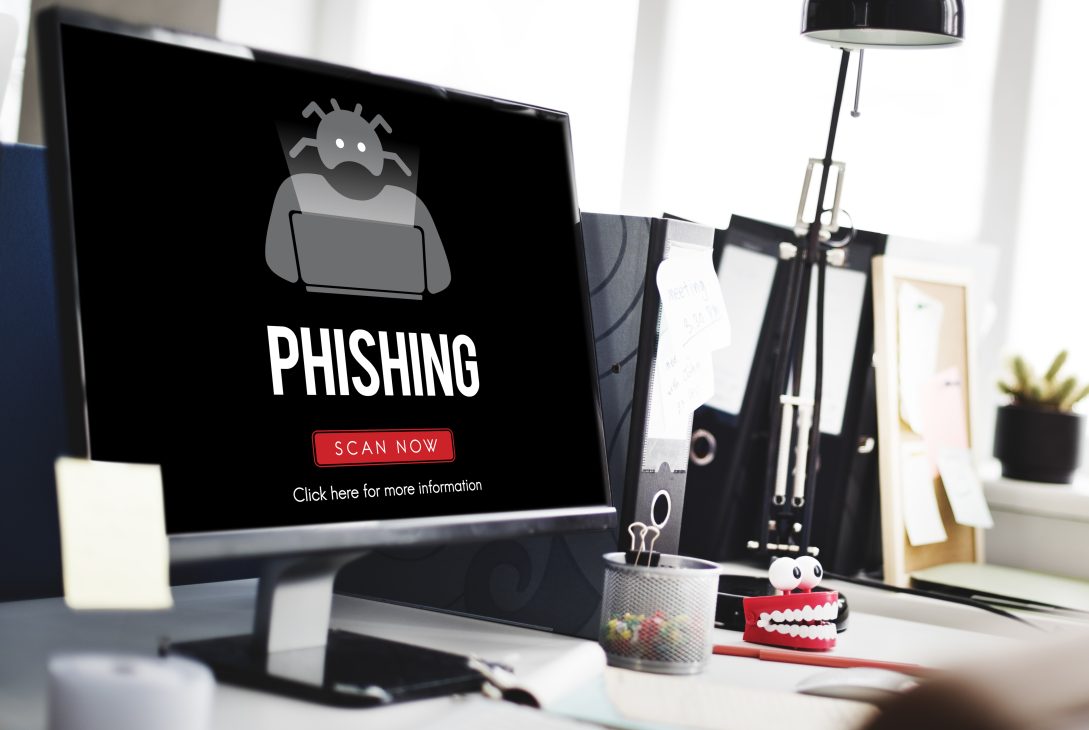
- Over 41 million phishing emails and SMS messages have been reported since 2020.
- These attacks often impersonate banks, delivery services, or tax agencies.
How the Scam Works
- Victims receive messages claiming urgent issues or offers.
- A link leads to a fake login or payment page.
- Once credentials or bank details are entered, funds are stolen or accounts compromised.
Red Flags
- Unsolicited messages urging quick action.
- Slightly altered email addresses or links.
- Requests for passwords or PINs.
Tips to Stay Safe
- Never click on suspicious links in texts or emails.
- Navigate to websites directly from your browser, not through links.
- Enable two-factor authentication wherever possible.
Visited 7 times, 1 visit(s) today