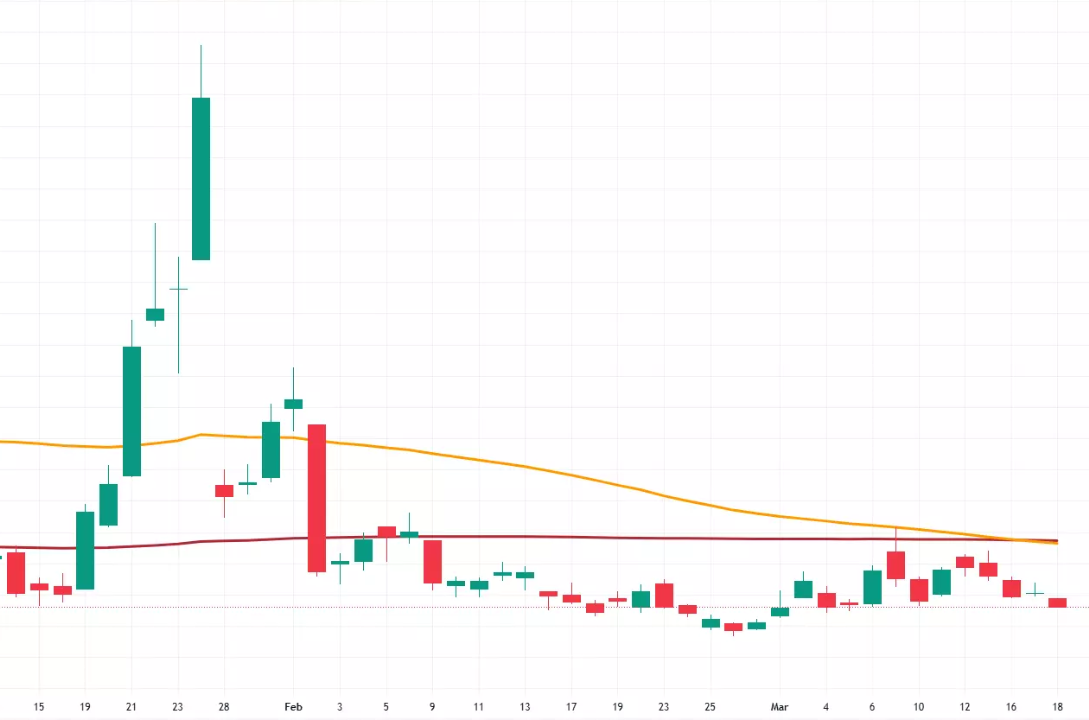
U.S. natural gas futures ended modestly lower ahead of the long Independence Day weekend, as traders absorbed a larger-than-expected storage build while still weighing support from near-term heat and strong export demand.
Nymex natural gas settled down 0.7% at $3.196 per million British thermal units. The move was limited, even after the latest inventory data showed an 87 billion cubic feet storage injection for the previous week. That build was above the five-year average of 64 Bcf and higher than the 81 Bcf estimate from analysts surveyed by The Wall Street Journal.
The muted reaction suggests the market is not focused only on inventory levels. Summer weather, power generation demand and liquefied natural gas export flows remain central to the near-term outlook.
Storage Build Comes In Above Expectations
The most immediate bearish factor was the larger-than-expected storage injection. A build of 87 Bcf indicates that more gas was added to storage than analysts expected, and significantly more than the five-year average for the same period.
In normal conditions, a larger storage build can pressure prices because it suggests supply is comfortable relative to demand. When inventories grow faster than expected, traders may reduce bullish exposure, especially if weather forecasts begin to soften.
However, the response in this case was restrained. Natural gas futures slipped, but there was no sharp selloff. That indicates the market still sees enough supportive demand factors to prevent a deeper decline.
For now, the larger build created pressure, but not a full shift in market sentiment.
Prices Remain Supported by Heat
Near-term heat continues to provide support for natural gas prices. Hot weather increases demand for electricity as homes and businesses use more air conditioning. Because natural gas is a major fuel for power generation in the United States, hotter temperatures can increase gas consumption.
This weather-driven demand is especially important during peak summer. Even if storage levels are building, strong power burn can limit how quickly inventories rise.
Andy Huenefeld of Pinebrook Energy Advisors noted that prices remain supported by near-term heat and strong export demand. This explains why the market did not react more aggressively to the above-estimate storage injection.
The summer demand profile remains strong enough to keep natural gas from breaking sharply lower.
Power Generation Demand Is the Key Driver
Power generation demand is one of the most important variables for the natural gas market during summer. When temperatures rise, electricity consumption increases. Utilities then burn more natural gas to meet cooling demand.
This creates a direct link between weather forecasts and futures prices. A hotter outlook can support prices, while cooler forecasts can pressure them.
Although temperature anomalies are expected to soften beyond the holiday weekend, power generation demand is still expected to remain strong in the weeks ahead. That is an important point. The market may not need extreme heat to stay supported if baseline summer electricity demand remains elevated.
As long as power burn stays strong, traders may be reluctant to price in a major downside move.
Export Demand Adds Another Layer of Support
Strong export demand is also supporting the market. U.S. liquefied natural gas exports have become a major part of the domestic gas balance. When LNG feedgas demand is strong, more gas is pulled from the U.S. market and directed toward export terminals.
This can tighten domestic supply-demand conditions, especially during periods of high power demand.
Export demand matters because it reduces the amount of gas available for storage injections. Even when production remains solid, strong LNG flows can limit inventory growth and support prices.
The combination of summer heat and export demand helps explain why natural gas futures did not fall more sharply after the 87 Bcf storage build.
Holiday Trading May Have Limited Market Reaction
The timing of the move also matters. The market was heading into the long Independence Day weekend, a period when trading activity can become thinner. Lower liquidity can sometimes exaggerate moves, but it can also reduce conviction as traders avoid major positioning before a holiday.
In this case, the market reaction was modest. Traders appeared unwilling to push prices sharply in either direction before the break.
Natural gas is highly sensitive to updated weather models, storage data and export flows. With a long weekend ahead, many participants may prefer to wait for fresh post-holiday data before taking stronger positions.
That likely contributed to the muted response.
Softer Temperature Anomalies Could Cap Gains
One reason prices did not rise despite strong demand support is that temperature anomalies are expected to soften after the holiday weekend. If forecasts show less extreme heat, the market may assume power burn will ease from the strongest levels.
This does not necessarily mean demand will become weak. Summer demand can remain high even if temperatures are not exceptionally hot. But softer anomalies reduce the urgency of bullish positioning.
Traders will now watch whether forecast moderation becomes meaningful enough to reduce power generation demand. If cooling demand remains strong despite less extreme temperatures, prices may find support.
If the forecast cools more than expected, natural gas could face additional pressure.
Storage Trends Still Matter Into Peak Summer
Although the market did not react sharply to the latest storage build, inventory trends remain important. Natural gas storage levels influence how traders assess supply security heading into later parts of the year.
A series of above-average injections could create more bearish pressure, especially if weather demand weakens. Conversely, if storage builds slow during peak summer, prices may remain supported.
Huenefeld noted that storage builds are expected to trend lower into peak summer. That is a key reason the market may be looking through the latest 87 Bcf build.
If upcoming reports show smaller injections, traders may conclude that strong demand is beginning to absorb more supply.
The Market Is Balancing Bearish and Bullish Signals
The current natural gas setup is mixed. The larger storage injection is bearish. Softer temperature anomalies after the holiday are also a potential headwind. But near-term heat, strong power generation demand and export demand remain supportive.
This balance explains the modest price move. The market is not ignoring the inventory build, but it is also not ready to abandon the bullish summer demand case.
Natural gas often reacts sharply when one side of the balance becomes dominant. At the moment, neither side has full control.
That leaves prices vulnerable to updated forecasts, LNG flow data and next week’s storage report.
Why the 87 Bcf Build Did Not Trigger a Bigger Selloff
A larger-than-expected build would normally increase downside risk. But several factors prevented a sharper decline.
First, the market already expected a relatively large injection. The reported 87 Bcf was above the 81 Bcf estimate, but not dramatically outside expectations.
Second, weather demand remains strong in the near term. Hot conditions continue to support power burn.
Third, export demand remains firm. LNG flows help absorb domestic supply.
Fourth, holiday trading may have reduced conviction. Traders may have avoided aggressive moves ahead of the long weekend.
Together, these factors kept the market reaction contained.
What Traders Should Watch Next
The first factor to watch is updated weather guidance. If forecasts turn hotter again after the holiday, natural gas prices could regain support. If they cool further, prices may remain under pressure.
The second factor is power generation demand. Strong power burn would reinforce the bullish case even if temperatures moderate.
The third factor is LNG export demand. Continued strong feedgas flows would tighten the domestic balance.
The fourth factor is the next storage report. A smaller build would suggest summer demand is absorbing supply more effectively, while another large injection could pressure prices.
The fifth factor is liquidity after the holiday. Post-weekend trading may provide a clearer read on whether investors view the latest dip as temporary or the start of a broader pullback.
Conclusion
U.S. natural gas futures slipped ahead of the Independence Day weekend, with Nymex gas settling down 0.7% at $3.196/mmBtu. The decline followed an 87 Bcf storage build that exceeded both the five-year average of 64 Bcf and the 81 Bcf analyst estimate.
Despite the bearish inventory figure, the market reaction was muted. Near-term heat, strong power generation demand and firm export demand continue to support prices. Traders are now watching whether storage builds slow as peak summer demand develops.
Final Takeaway
The latest natural gas move reflects a market in balance. A larger storage injection pressured prices, but not enough to break the summer demand narrative. The next direction will depend on weather forecasts, power burn, LNG exports and whether upcoming storage builds begin to trend lower into peak summer.