U.S. stock futures rose slightly overnight. Investors looked past new military clashes between the U.S. and Iran. Instead, they focused on corporate earnings. This shift shows that markets are sensitive to geopolitical risks. However, the current focus is on Big Tech results, AI spending, and whether major companies can meet high growth expectations.
Nasdaq-100 futures increased by 0.25%. Dow futures gained 0.09%, and S&P 500 futures added 0.08% late Wednesday. Exchange-traded funds tracking major indexes, like the SPDR S&P 500 ETF and Invesco QQQ Trust, also moved higher.
This small rebound followed a weaker session for U.S. stocks on Wednesday. The Nasdaq Composite fell by 0.57%. The S&P 500 dropped 0.14%, and the Dow Jones Industrial Average ended nearly flat. Rising oil prices, increased Middle East tensions, and concerns about energy flows through the Strait of Hormuz pressured the market.
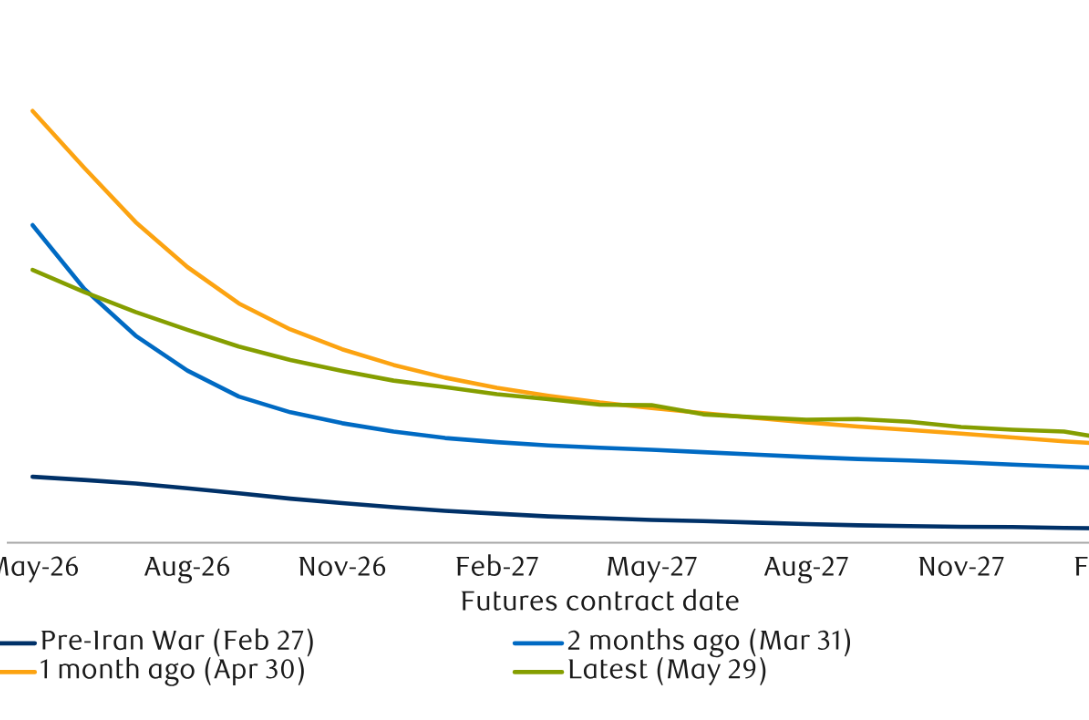
For investors, the market setup is delicate. Earnings are now key, but geopolitical risks remain. Brent crude climbed above $95 a barrel, Treasury yields stayed high, and gold prices rose. These trends show that safe-haven and inflation concerns are still present.
Big Tech Earnings Put AI Spending Under the Microscope
Corporate earnings from large tech companies are now the main driver of the market. Alphabet kicked off the Big Tech reporting cycle with better-than-expected second-quarter revenue. However, its shares fell after it raised its full-year capital expenditure outlook. Investors are concerned that AI spending is increasing rapidly without clear evidence of improved margins and growth.
This reaction is significant because AI has been a major theme supporting U.S. stocks. Investors believe that AI infrastructure, cloud demand, and automation will drive a new earnings cycle. However, as spending plans grow, investors are becoming more selective.
The upcoming reports from Microsoft, Meta Platforms, and Amazon are critical. These companies are heavily involved in AI infrastructure, cloud computing, and digital advertising. Their results could impact not just individual stocks but also market sentiment toward AI investments.
If these companies show that AI spending leads to stronger revenue growth or better customer adoption, investors may accept high capital expenditures. If costs rise without enough operating leverage, the market could become cautious.
Alphabet’s Capex Outlook Raises Cost Concerns
Alphabet’s report highlighted key tensions in Big Tech. The company posted strong revenue results, but its higher capital expenditure outlook overshadowed this success. The market’s reaction indicates that investors are no longer viewing AI spending as automatically positive.
High capital expenditures can support long-term growth if they build necessary infrastructure for cloud demand and AI tools. However, they can also pressure free cash flow and margins if spending outpaces monetization.
This tension is central to the AI infrastructure trade. Gene Munster of Deepwater Asset Management believes higher capex is positive for the AI theme. He sees the AI cycle as still in its early stages, arguing that rising investment benefits chipmakers and cloud providers.
At the same time, investors are reminded that not all AI spending leads to immediate earnings. The market is likely to reward companies that can link spending to measurable revenue or customer demand. It may punish those that raise investment plans without showing confidence in returns.
Tesla Profit Miss Adds Pressure to Growth Stocks
Tesla added caution after missing second-quarter profit estimates, even though it beat revenue expectations. Shares fell nearly 4% in extended trading. The company also noted that capital expenditures would rise over the next two to three years as it scales AI and robotics initiatives.
For Tesla investors, this creates a tough tradeoff. The company is pursuing a broader vision beyond electric vehicles, including autonomy and robotics. These areas could support a higher long-term valuation if execution improves. However, rising capex and weaker profits raise concerns about near-term margins.
Tesla was already under pressure before this report. Its stock was trading below key moving averages, and short interest had increased. Investors were closely watching updates on vehicle demand and AI spending. A profit miss makes this setup more fragile.
Market reaction will depend on whether investors believe Tesla’s spending plans can lead to future earnings. For now, the decline in extended hours suggests investors wanted more reassurance than the report provided.
ServiceNow Stands Out as Software Bright Spot
ServiceNow had a strong earnings report, with shares up over 5% after it surpassed second-quarter expectations and raised its full-year subscription revenue forecast. This contrasts with the struggles of Tesla and Alphabet, showing investors still favor companies with clear growth potential and strong guidance.
ServiceNow’s performance is key for the software sector. Enterprise software has faced challenges as investors question if AI will disrupt current pricing or spending habits. A positive outlook for subscription revenue indicates that demand for essential software remains steady.
For the overall market, ServiceNow’s results offer a balanced take on this earnings season. Investors are not completely moving away from technology. They are distinguishing between firms with strong revenue growth and those facing challenges like high costs or execution risk.
This distinction will matter more as additional tech earnings come in. The market is likely to separate AI winners with clear monetization from those asking investors to wait for returns.
Oil Surge Keeps Inflation and Energy Risk in Focus
Energy risk continues to loom over market stability, even as futures rise. Brent crude now stands at $95.86 per barrel, while WTI crude is at $88.17. This increase follows heightened tensions in the U.S.-Iran conflict and worries about energy flows through vital shipping lanes.
The Strait of Hormuz is a central concern. Any threat to shipping could quickly impact oil prices, shipping costs, and inflation forecasts. President Trump warned of serious consequences if Iran disrupts shipping in this area, while U.S. Central Command confirmed ongoing actions against Iran to protect civilian vessels.
Meanwhile, Yemen’s Houthis announced a maritime blockade against Saudi Arabia via the Bab el-Mandeb Strait. This adds risk since the Red Sea is crucial for global trade. Economist Mohamed El-Erian noted that about 12% of global trade flows through this region and warned that weaponizing maritime routes could have severe impacts.
For markets, rising oil prices can influence inflation, consumer spending, corporate margins, and central bank policies. If energy prices keep climbing, stocks may struggle to overlook the ongoing conflict.
Treasury Yields and Gold Signal Caution Beneath the Surface
In the financial arena, futures may dance positively, yet lurking below is investor caution. The 10-year Treasury yield rests at 4.655%, with spot gold gleaming at $4,137.19 per ounce. Even the iShares 20+ Year Treasury Bond ETF climbed, defying a sea of negativity.
Elevated Treasury yields can cast shadows over growth stocks. They diminish the allure of future earnings and tighten financial belts. This sentiment rings especially true for tech stocks, which often soar on high valuations and long-term dreams. If yields stay lofty while AI investments surge, investors will undoubtedly crave crystal clear evidence of returns.
Gold’s gleaming ascent signals a thirst for safety. Amidst geopolitical storms, inflation fears, and market turbulence, investors view gold as a sturdy shield. The simultaneous rise of oil and gold hints that, though equity futures may feel optimistic, the market retains its careful grip.
In this mixed landscape, robust earnings hold the key. Strong corporate results could lift stock prices. But if energy costs and yields keep climbing, navigating this risk-laden environment could become a tightrope act.
Semiconductors Hold Up Despite Broader Market Weakness
Wednesday shone a light on semiconductor stocks, showcasing their resilience. The VanEck Semiconductor ETF edged up 0.48%, while the iShares Semiconductor ETF gained 0.51%. This uptick reveals investors’ optimism about AI infrastructure, even as caution looms over capital-intensive tech firms.
Semiconductors stand poised to benefit from the AI boom. If cloud giants and tech titans keep pouring cash into AI infrastructure, chipmakers may continue to attract eager interest.
Yet, this sector’s strength hinges on steady AI expenditure. Should doubts surface regarding returns on data center expansions, semiconductor stocks could wobble. For now, the modest gains in chip ETFs suggest that the market isn’t ready to abandon the AI infrastructure.
Ulrike Hoffmann-Burchardi from UBS Chief Investment Office remains buoyant about AI growth. She champions a balanced approach across the AI value chain, embracing semiconductors, hardware, major tech players, and defensive sectors. This reflects a market supportive of AI, but seeking a wider safety net rather than a narrow gamble.
Global Markets Open Higher Despite U.S. Volatility
As Thursday dawned, Asian markets kicked off with a spirited rise, led by South Korea’s KOSPI. Japan’s Nikkei 225, China’s SSE Composite, and Australian stocks joined the upward march. This upbeat outlook hints that global investors find comfort in the overnight stabilization of U.S. futures.
Nevertheless, international markets remain tethered to major themes: earnings quality, AI spending, oil prices, currency shifts, and geopolitical risk. If the U.S.-Iran conflict escalates crude prices, global equities could feel the squeeze, particularly in regions sensitive to energy costs.
The strong Asian open may signal short-term relief rather than a full sentiment reset. Investors eagerly await fresh U.S. technology earnings and clarity on Middle Eastern developments.
What Investors Should Watch Next
First up on the watchlist: Big Tech earnings remain a hot topic. Microsoft, Meta, and Amazon are primed to deliver vital insights on cloud demand, digital advertising, AI monetization, and capital discipline. Their results could either bolster the AI growth narrative or amplify concerns stemming from Alphabet’s spending outlook.
Next, all eyes will be on Tesla’s reaction post-earnings. Will the stock find stability after a profit miss? Or do worries about margins, vehicle demand, AI spending, and robotics investment still loom large?
Thirdly, keep a close eye on oil. With Brent above $95, inflation and energy risk lie heavily in the mix. Disruptions in vital shipping routes like the Strait of Hormuz or Bab el-Mandeb could prompt a rapid market risk recalibration.
Fourth on the list are Treasury yields. If the 10-year yield hovers high, growth stocks may strain under valuation pressures, especially if earnings fail to offset rising investment costs.
Finally, the semiconductor sector’s performance deserves scrutiny. Continued strength could indicate confidence in AI infrastructure; weakness might signal investor skepticism about the spending cycle.
U.S. stock futures rose as investors shifted their focus from U.S.-Iran tensions to corporate earnings. The market is eager to see if Big Tech can show that large AI investments lead to real growth. Alphabet’s increased capex outlook, Tesla’s profit miss, ServiceNow’s strong guidance, and upcoming results from Microsoft, Meta, and Amazon will greatly affect market sentiment soon.
However, geopolitical risks still loom. Rising oil prices and concerns over the Strait of Hormuz and Red Sea mean that higher energy costs could spark inflation worries. While equity markets may overlook the conflict for now, they aren’t shielded from its effects.
The market’s slight futures rebound suggests that earnings currently outweigh geopolitical fears. Yet, with oil above $95, Treasury yields high, and AI spending under scrutiny, the next stock moves depend on whether Big Tech can deliver enough growth to justify rising costs and manage macro risks.