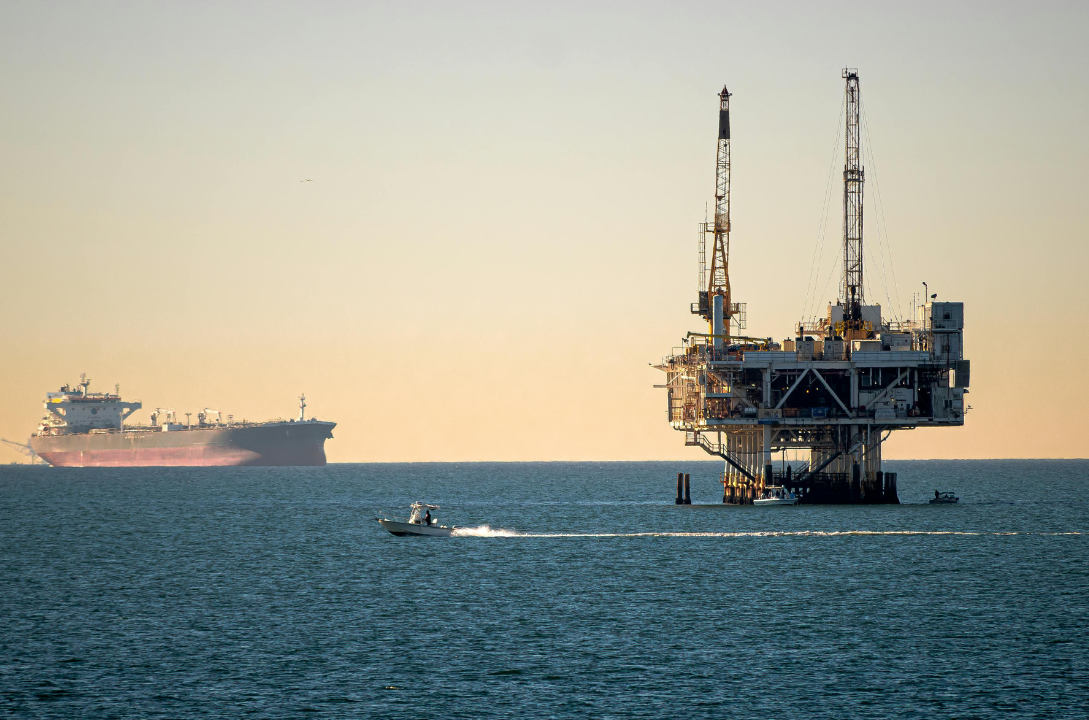
Oil prices moved sharply higher this week as renewed geopolitical tensions between the United States and Iran added fresh pressure to global markets. West Texas Intermediate crude rose to around $74 per barrel, gaining nearly 8% over the past week after President Donald Trump said the ceasefire with Iran was “over.”
The move in crude oil has become one of the most important macro signals for investors. While the original market reaction was visible across crypto and other risk assets, the deeper issue is energy. A rapid increase in oil prices can change inflation expectations, affect central bank policy, pressure consumers, raise transport costs and force traders to reduce exposure across volatile markets.
The latest oil rally shows how quickly geopolitical risk can return to the center of the global economic outlook. When energy prices rise because of supply fears, the impact goes beyond commodity traders. It reaches equity markets, currency markets, bond yields, consumer inflation and investor sentiment.
WTI crude oil prices rose to around $74 per barrel, up nearly 8% over the past week. The move followed renewed concern that the fragile ceasefire framework between the United States and Iran had broken down.
The oil market reacts strongly to Middle East risk because the region remains central to global supply. Any escalation involving Iran raises questions about production, shipping routes, exports, insurance costs and the security of energy infrastructure.
Even when physical supply is not immediately disrupted, traders often add a geopolitical risk premium to crude prices. That premium reflects the possibility that future supply could be affected if the conflict expands.
This is why oil can rise quickly on headlines. The market is not only pricing what has already happened. It is pricing what could happen next.
US-Iran Tensions Rebuild the Risk Premium
The return of US-Iran tensions is the key driver behind the latest oil move. When President Trump said the ceasefire was over, investors immediately had to reassess the risk of renewed military escalation.
Iran matters to oil markets for several reasons. It is an energy producer, it sits near critical Gulf shipping routes, and it has influence across regional security dynamics. Any conflict involving Iran can increase the risk of disruption in the Persian Gulf, including shipping flows through the Strait of Hormuz.
The Strait of Hormuz is especially important because a significant share of global seaborne oil moves through that narrow passage. A threat to the route does not need to become a full blockade to affect prices. Even limited attacks, higher insurance premiums or reduced shipping confidence can raise costs.
That is why the oil market reacted quickly. Traders saw the end of the ceasefire as a renewed risk to energy security.
Oil Becomes the Main Macro Shock
The rise in crude prices has become a fresh macro shock for investors already dealing with uncertainty around interest rates, inflation and global growth. Higher oil prices can tighten financial conditions indirectly by raising costs across the economy.
Energy is embedded in almost every part of the production and consumption chain. Oil affects gasoline, diesel, jet fuel, freight, agriculture, plastics, chemicals and industrial production. When crude rises sharply, those cost pressures can spread.
For households, higher fuel prices reduce disposable income. For companies, higher transport and input costs can squeeze margins. For central banks, higher energy prices can complicate inflation control.
This makes oil one of the most powerful links between geopolitics and the real economy.
Inflation Fears Return With Higher Energy Prices
The main economic concern is inflation. If oil prices keep rising, headline inflation can move higher even if other categories are stabilizing.
Central banks often focus on core inflation, which excludes food and energy, because energy prices are volatile. But oil still matters because it affects inflation expectations. If households and businesses see fuel prices rising, they may expect broader costs to increase.
That can influence wage demands, pricing decisions and consumer behavior. In that situation, central banks may become more cautious about cutting interest rates.
This is why the oil rally matters for the Federal Reserve and other monetary authorities. A renewed energy shock can make it harder to justify easier policy, especially if inflation is already above target.
Oil rallies caused by geopolitical tension can pressure risk assets because they create a difficult combination: higher inflation risk, weaker consumer purchasing power and greater uncertainty.
Normally, rising oil can support energy stocks and producers. But for the broader market, a sudden oil spike can be negative. Airlines, transport companies, manufacturers, retailers and consumers all face higher costs.
For speculative assets, the pressure can be more direct. When investors become worried about inflation and central bank policy, they often cut exposure to volatile positions. This can affect technology stocks, crypto, small caps and other risk-sensitive assets.
The latest oil move helped create that type of risk-off environment. Traders reduced exposure as crude prices rose and geopolitical uncertainty returned.
The United States Oil Fund Gains as Sentiment Improves
The United States Oil Fund rose 2.5% in midday trading as crude prices advanced. Retail sentiment around the fund moved from neutral to bullish, while market chatter rose from low to normal levels.
This shift shows that oil has moved back onto the active trading radar. When crude begins to move quickly, retail and institutional investors often return to oil-linked products to express views on energy risk.
USO is commonly used by traders seeking exposure to short-term crude oil price movements. A move higher in USO during a geopolitical spike signals that market participants are responding directly to the oil rally.
However, oil-linked funds can be volatile. Their performance depends not only on spot crude prices, but also on futures curves, rollover costs and market structure.
The Oil Rally Is Not Just a Supply Story
The latest rise in oil prices is mainly linked to geopolitical risk, but the broader market context is more complex. Oil prices can be influenced by supply expectations, demand trends, OPEC+ policy, refinery activity, inventories, currency moves and speculative positioning.
A geopolitical shock can push prices higher quickly, but whether the move lasts depends on physical market confirmation. Traders will watch whether actual exports, tanker flows, refinery runs or inventory data show real disruption.
If supply continues to flow normally, part of the risk premium could fade. If attacks, sanctions, shipping disruptions or production losses emerge, prices could move higher.
This distinction is important. A headline-driven oil rally can reverse quickly. A supply-driven rally can persist much longer.
Middle East Risk Puts Shipping Back in Focus
Any renewed conflict involving Iran brings shipping security back into the discussion. Energy markets care not only about production volumes, but also about whether barrels can move safely to buyers.
Shipping disruptions can raise oil prices even without a major production loss. If insurers increase premiums, shipowners avoid certain routes or tankers face delays, the delivered cost of crude can rise.
The Strait of Hormuz remains the key pressure point. It connects Gulf producers with global markets and is difficult to replace with alternative routes at scale.
If tensions continue, traders will monitor tanker traffic, insurance costs, naval activity and any reports of threats to commercial vessels.
Higher Oil Could Delay Rate-Cut Hopes
The oil rally also matters because investors are watching the Federal Reserve for signs of future rate cuts. Markets have been pricing the probability that the Fed will keep rates steady at its next meeting, while traders look for clues about when easing might begin.
A sustained rise in oil could make rate cuts less likely. If energy prices lift inflation expectations or slow the path back toward the Fed’s target, policymakers may choose to keep rates higher for longer.
That would affect borrowing costs, equity valuations and liquidity conditions. It could also strengthen the dollar, which often creates additional pressure on commodities priced in dollars and on global risk assets.
Oil is therefore not isolated from monetary policy. It can directly influence the debate around inflation and interest rates.
Consumers Face Renewed Cost Pressure
Higher crude prices can eventually show up in gasoline and diesel costs. That matters because fuel prices are highly visible to consumers.
When gasoline rises, households feel the impact quickly. They may reduce discretionary spending, delay purchases or become more cautious. This can affect retailers, travel, restaurants and broader consumer sentiment.
Diesel is also important because it affects trucking and logistics. Higher diesel prices can raise the cost of moving goods across supply chains.
If oil remains elevated, the pressure can extend beyond energy markets and into everyday inflation.
Businesses Must Reprice Energy Risk
For companies, higher oil prices create planning challenges. Airlines, shipping companies, trucking firms, manufacturers and chemical producers are especially exposed to energy costs.
Some companies hedge fuel costs, but hedges are not permanent. Others may try to pass higher costs to customers, but that depends on pricing power.
If oil rises because of geopolitical tension, businesses also face uncertainty around duration. A short-lived spike can be absorbed. A prolonged rise can change margins, budgets and investment decisions.
That uncertainty can make companies more cautious, particularly in sectors already facing slowing demand or higher financing costs.
Energy Stocks May Benefit, but the Market Impact Is Mixed
An oil rally can support energy producers, oilfield services companies and some commodity-linked equities. Higher crude prices can improve revenue expectations for upstream producers if costs remain controlled.
However, the broader equity market impact is mixed. Energy is only one part of the stock market. Many sectors are hurt by higher fuel and input costs.
The market reaction depends on whether investors view the oil move as a sign of stronger demand or as a geopolitical supply shock. A demand-driven oil rally can signal economic strength. A conflict-driven rally often signals risk, inflation and potential disruption.
The current move appears more geopolitical than demand-led, which makes the broader market response more cautious.
What Oil Traders Should Watch Next
The first factor to watch is whether WTI can hold around the $74 area. A sustained move above that level could confirm that traders are adding a durable risk premium.
The second factor is the US-Iran conflict path. Any additional strikes, shipping incidents or breakdown in diplomacy could push crude higher.
The third factor is tanker activity in the Gulf. Shipping data will help show whether the market is facing real logistical disruption or mainly pricing headline risk.
The fourth factor is inventory data. If crude inventories fall while geopolitical risk rises, the market could become more sensitive to upside moves.
The fifth factor is central bank communication. If policymakers signal concern about energy-driven inflation, oil’s impact on broader markets could intensify.
Key Levels and Market Psychology
The move toward $74 per barrel gives traders a clear short-term reference point. If WTI continues to climb, the next focus will be whether prices attract producer hedging, demand concerns or policy responses.
A rapid advance can also raise the risk of short-term profit-taking. If no physical supply disruption follows the geopolitical headlines, some traders may unwind long positions.
However, if tensions escalate and the market starts to price a sustained threat to Gulf exports, crude could remain supported even after a sharp move.
Market psychology is therefore critical. Oil traders are not only trading barrels. They are trading probability: the probability of disruption, the probability of retaliation, and the probability that higher prices feed back into inflation and rates.
Oil prices surged as renewed US-Iran tensions revived the geopolitical risk premium in crude markets. WTI climbed to around $74 per barrel, gaining nearly 8% over the past week, while the United States Oil Fund rose as retail sentiment turned bullish.
The move matters because oil is not just another commodity. Higher crude prices can raise inflation expectations, pressure consumers, increase business costs and complicate the Federal Reserve’s rate-cut outlook. The rally also comes at a sensitive moment for global markets, where investors are already cautious about interest rates, technology stocks and geopolitical risk.
The latest oil surge shows that energy risk has returned as a major market driver. If US-Iran tensions continue and crude holds near or above $74, inflation concerns could intensify and risk assets may remain under pressure. If supply disruption fails to materialize, part of the geopolitical premium could fade. For now, oil has become the key macro variable linking the Middle East conflict, central bank policy and global market sentiment.