Arabica coffee futures slipped on Thursday after briefly reaching multi-week highs, as traders weighed fears of a potentially very strong “super El Niño” weather pattern against improving harvest conditions in Brazil. Robusta coffee still finished higher, supported by concerns that El Niño could bring damaging heat and reduced rainfall to Vietnam and Indonesia, which together produce roughly half of the world’s robusta coffee.
Arabica coffee settled down 4.1 cents, or 1.5%, at $2.678 per pound after touching $2.7810 earlier in the session, its highest level since mid-May. Robusta coffee rose 0.2% to $3,629 per metric ton after hitting $3,680, its strongest level since early March.
The mixed coffee performance reflected the different ways El Niño can affect the two markets. In robusta, the threat is more direct because the weather pattern often brings hotter and drier conditions to key Asian producers. In arabica, the first impact can be excess rainfall in Brazil, which may slow harvesting but only becomes strongly bullish if it damages quality, encourages fungal disease or disrupts drying long enough to affect exportable supply.
Sugar futures moved in the opposite direction, pressured by weaker energy prices and lower Chinese imports. Raw sugar settled down 0.26 cent, or 1.9%, at 13.59 cents per pound, near Tuesday’s two-month low of 13.56 cents. White sugar fell 1.5% to $445.30 per ton. Cocoa remained firmer, with London cocoa gaining 1.2% to £3,198 per ton as El Niño risks continued to support concerns over 2026/27 production in West Africa and Ecuador.
Arabica Pulls Back After Weather-Driven Rally
Arabica’s decline was notable because it came after the contract reached its highest level since mid-May. The market initially rallied on weather risk, but the move lost momentum as conditions in Brazil turned drier, allowing farmers to resume harvesting and drying.
Brazil is the world’s top arabica producer, so its harvest conditions are central to price direction. When rain disrupts the harvest, it can delay picking, slow drying and raise quality concerns. However, rainfall alone does not necessarily reduce total production. For prices to sustain a weather premium, the market usually needs evidence of crop damage, fungal disease, poor drying conditions or quality deterioration.
That distinction explains the reversal. Traders were willing to price in risk while rain was disrupting fieldwork, but the return of drier weather reduced immediate concern. If farmers can harvest and dry coffee more efficiently, the market has less reason to maintain a strong risk premium.
Still, the downside was not open-ended. Forecasts call for rains to return over the next week to 10 days, meaning harvest risk has not disappeared. Arabica may remain volatile as traders reassess weather updates and early quality reports from Brazil.
Robusta Holds Firm on Asia Weather Risk
Robusta coffee showed more resilience, closing higher even as arabica declined. The contract rose 0.2% to $3,629 per ton after reaching $3,680, its highest level since early March.
The reason is that El Niño is particularly problematic for robusta. The weather pattern typically brings high temperatures and reduced rainfall to Vietnam and Indonesia. These two countries are critical suppliers, accounting for about half of global robusta output.
Hot and dry conditions can damage coffee trees, reduce cherry development and weaken yield potential. If drought stress becomes severe, the market may need to price in lower production from Asia. That threat gives robusta stronger support than arabica in the current weather environment.
Robusta demand is also structurally important. The bean is widely used in instant coffee, blends and lower-cost retail products. If supply concerns emerge while demand remains steady, robusta prices can react sharply.
This is why robusta remained positive despite broader softness in parts of the soft commodity complex.
Brazil’s Weather Remains the Key for Arabica
Brazil’s harvest situation is still the central driver for arabica. The country’s producing regions recently turned dry, which helped farmers return to harvesting and drying activities. That reduced immediate concerns about harvest delays.
However, the weather outlook remains unsettled. Rains are expected to return over the next week to 10 days. If rainfall becomes persistent, it could again slow the harvest and create quality issues.
Coffee quality is especially sensitive during drying. If beans are exposed to excessive moisture after picking, defects can increase. Poor drying can reduce cup quality, raise rejection rates and affect the value of export lots. Even when total crop size remains stable, quality damage can support prices by reducing the availability of higher-grade coffee.
For now, the market has not seen enough evidence of serious damage to keep arabica near its session highs. But traders will continue to monitor whether the next rain event is brief or disruptive.
Super El Niño Adds a Broad Weather Premium
The phrase “super El Niño” matters because it implies a potentially unusually strong weather pattern. A very strong El Niño can alter rainfall and temperature patterns across major agricultural regions, creating risk across multiple commodities at the same time.
For coffee, the impact differs by origin. Brazil may see excess rainfall early in the pattern, while Vietnam and Indonesia are more exposed to heat and dryness. For cocoa, West Africa and Ecuador may face production stress. For sugar, El Niño can influence cane yields and harvesting conditions depending on region and timing.
This broad weather uncertainty explains why traders are paying close attention to forecasts. Weather markets can move quickly because prices must adjust before crop losses are fully confirmed. If traders wait for final production data, the market may already have repriced.
However, weather premiums are also unstable. If forecasts shift or crop damage fails to appear, prices can quickly retreat. Thursday’s arabica reversal is a good example of that dynamic.
Sugar Falls as Weaker Oil Pressures the Market
Sugar futures fell sharply, with raw sugar settling down 1.9% at 13.59 cents per pound. White sugar also declined, falling 1.5% to $445.30 per ton.
The main bearish factor was weaker energy prices. Sugar is closely connected to energy markets through ethanol, especially in Brazil. Cane mills can often choose whether to allocate more cane toward sugar or ethanol, depending on relative returns.
When energy prices fall, ethanol becomes less attractive. That can encourage mills to produce more sugar instead of ethanol, increasing sugar supply and pressuring futures. This production-switching mechanism is one of the most important links between crude oil and sugar prices.
The market had already touched a near two-month low earlier in the week, and Thursday’s move kept prices close to that weak area. Lower oil therefore remains a major headwind for sugar.
China’s Lower Sugar Imports Add Pressure
Sugar also faced pressure from weaker Chinese import data. China, the world’s largest sugar importer, brought in 36.8% less sugar in May than a year earlier.
Lower imports from China matter because Chinese demand can influence global trade flows. When the world’s largest importer reduces purchases, exporters may face weaker demand, and global prices can lose support.
There can be several reasons for lower imports, including domestic stock levels, price sensitivity, policy decisions or timing differences in shipments. But the market impact is straightforward: weaker Chinese import demand adds to bearish sentiment, especially when energy prices are already pressuring the sugar complex.
Still, the decline in sugar was limited by longer-term fears that El Niño could curb production. That weather risk prevents the market from becoming entirely bearish, even when short-term fundamentals are negative.
El Niño Keeps a Floor Under Sugar
Although sugar fell, El Niño remains a longer-term supportive factor. Weather stress can affect cane production in multiple regions. Excess rain can interfere with harvesting and reduce sugar content in cane, while dryness can reduce yields.
Brazil’s cane sector is especially important because the country is the world’s largest sugar exporter. Weather problems there can quickly shift global supply expectations. Other producers can also be affected depending on how El Niño alters regional rainfall.
For now, the immediate pressure from weaker oil and lower Chinese imports is stronger than the longer-term weather concern. But if El Niño intensifies and crop risks become more visible, sugar could find renewed support.
The market is therefore caught between two opposing forces: energy-linked bearish pressure and weather-linked supply risk.
Cocoa Remains Supported by Production Concerns
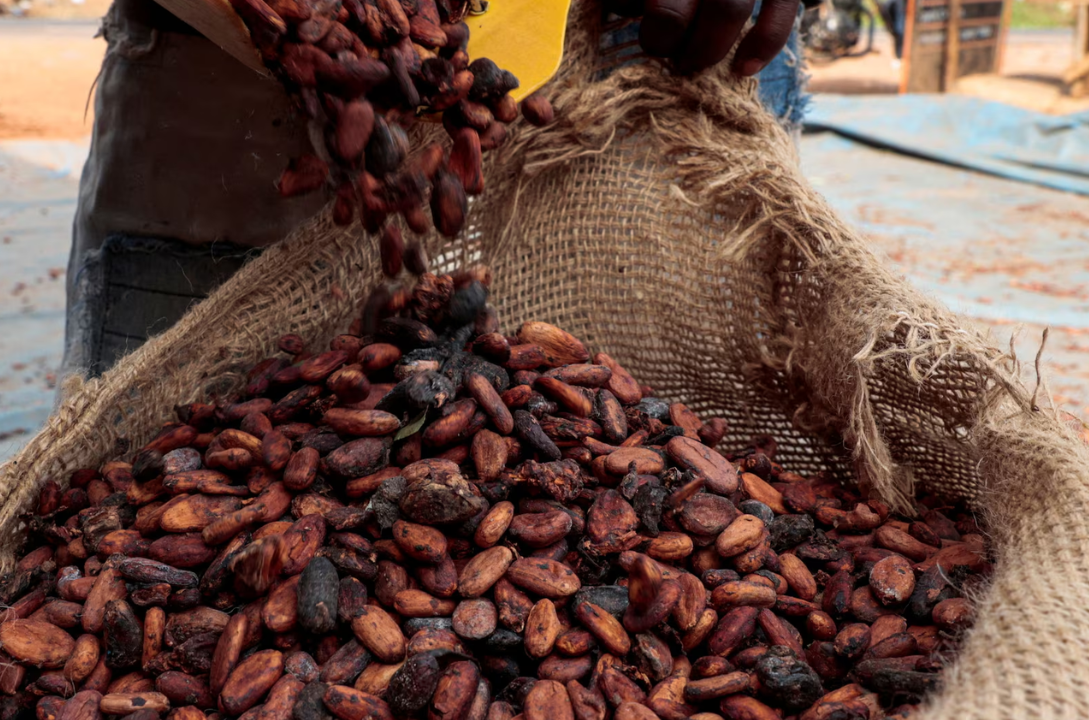
Cocoa was the strongest segment of the soft commodity group. London cocoa settled up £37, or 1.2%, at £3,198 per ton after hitting its highest level since late May on Wednesday. New York cocoa was little changed at $4,237 per ton.
The cocoa market remains supported by indications that El Niño could significantly reduce 2026/27 output in West Africa and Ecuador. West Africa dominates global cocoa supply, while Ecuador is the third-largest producer. If weather reduces output in these regions, the global balance could tighten.
Dealers also noted that demand for cocoa is showing some improvement. That matters because cocoa prices had previously been driven heavily by supply concerns. If demand stabilizes or improves while production risks rise, the market may find stronger support.
Cocoa’s reaction shows that weather risk is not affecting all soft commodities equally. Cocoa remains structurally more supported because of the possibility of future crop losses.
Demand Improvement Helps Cocoa
Improving demand for the chocolate ingredient adds an important layer to the cocoa outlook. Weather risk can lift prices, but rallies are more durable when demand conditions also support the move.
If chocolate manufacturers and processors are more active, futures may respond more strongly to supply threats. A market with weak demand can absorb some supply risk without major price moves. A market with improving demand has less room for production disappointment.
That said, cocoa demand remains sensitive to high prices. If futures rise too sharply, manufacturers may reduce usage, reformulate products or delay purchases. The market must balance near-term demand improvement against the risk that elevated prices eventually slow consumption.
For now, cocoa has the clearest bullish narrative among the softs: weather threats in major producing areas plus signs of better demand.
Weather Divergence Explains Market Divergence
The different price moves across coffee, sugar and cocoa reflect different weather exposures. Arabica slipped because Brazil’s weather improved temporarily. Robusta rose because Vietnam and Indonesia face more direct El Niño risks. Sugar fell because energy and import data outweighed weather concerns. Cocoa gained because production risks remain significant.
This divergence is important for traders. A broad “El Niño trade” does not affect every commodity the same way. Each market reacts according to its supply geography, demand structure and current pricing.
In coffee, traders must separate arabica from robusta. In sugar, they must balance weather against ethanol economics. In cocoa, they must weigh West African crop risk against demand resilience.
That makes the soft commodity complex more nuanced than a simple weather story.
What Traders Should Watch Next
For arabica coffee, the key factor is Brazil’s rainfall pattern over the next 10 days. If rains return and interfere with harvesting or drying, prices could regain support. If dry weather continues, the market may keep unwinding some of the weather premium.
For robusta, traders should monitor temperatures and rainfall in Vietnam and Indonesia. Signs of dryness or heat stress would likely support prices.
For sugar, oil prices remain critical. If crude continues to fall, sugar may remain under pressure through the ethanol channel. Chinese import demand is also important after the sharp May decline.
For cocoa, the focus remains on West African and Ecuadorian crop conditions, along with signs of improving grind or chocolate-sector demand.
Across all markets, the biggest variable is whether a very strong El Niño actually materializes and causes measurable crop damage.
Arabica coffee futures slipped after reaching their highest level since mid-May, as drier weather in Brazil allowed farmers to resume harvesting and drying. The contract settled down 1.5% at $2.678 per pound after touching $2.7810 earlier in the day. Robusta coffee held firmer, rising 0.2% to $3,629 per ton, supported by fears that El Niño could bring heat and reduced rainfall to Vietnam and Indonesia.
Sugar futures fell as weaker oil prices pressured the market by encouraging cane mills to favor sugar over ethanol production. Raw sugar settled down 1.9% at 13.59 cents per pound, while white sugar dropped 1.5% to $445.30 per ton. Cocoa remained supported, with London cocoa rising 1.2% to £3,198 per ton on concerns that El Niño could reduce 2026/27 output in West Africa and Ecuador.
Soft commodities remain highly sensitive to the developing super El Niño risk, but each market is reacting differently. Robusta and cocoa have stronger weather support, arabica is balancing Brazilian harvest delays against improved drying conditions, and sugar remains pressured by weaker oil and lower Chinese imports. The next major test will be whether weather forecasts translate into confirmed crop damage.