Bank of America has pushed back its forecast for the Bank of England’s first interest-rate cut from March to June, arguing that surging energy prices have brought inflation risk back into the spotlight just as markets were preparing for a more comfortable easing cycle. The bank now expects quarter-point cuts in June and September, instead of the March and June path it had previously penciled in.
That shift matters because it captures a wider change in market thinking across the UK rates story. Only a short time ago, falling inflation and softer economic momentum had strengthened the case for an earlier cut. Now, the sudden jump in oil prices tied to the Middle East conflict has clouded the picture. Brent crude has moved back above $100 a barrel, after almost touching $120 earlier in the week, and that has made investors much less certain that inflation will keep gliding smoothly toward the Bank of England’s 2% target.
For anyone following finance news, stock market updates, and the broader market outlook in Britain, this is more than a routine analyst revision. It is a reminder that central-bank expectations can change fast when energy becomes the main macro story again. The Bank of England may still be moving toward easing, but the road now looks bumpier, slower, and far less predictable than it did just a few weeks ago.
Why BofA Changed Its Call
BofA’s revised view is based on a simple but powerful concern: higher energy prices can delay disinflation. The bank said the recent rise in oil prices has revived inflation risks and muddied the policy outlook, making a March cut too aggressive under current conditions. Instead, it now sees the first move coming in June, followed by another quarter-point reduction in September. It also noted that an April cut is still possible if energy prices reverse by then, but warned that a prolonged conflict could mean even fewer cuts this year.
This is not happening in isolation. Reuters also reported that Goldman Sachs, Standard Chartered, and Morgan Stanley have all delayed their own Bank of England easing forecasts, with the first cut now generally expected in the second quarter rather than sooner. When several major institutions start moving in the same direction, it usually signals that markets are not dealing with a tiny forecast tweak. They are dealing with a genuine rethink.
In plain English, the logic is straightforward. If energy prices stay elevated, inflation may remain stickier than expected. And if inflation stays sticky, the Bank of England has less room to start cutting rates early. Central banks dislike being forced into awkward U-turns, and the BoE is unlikely to rush into easing if oil keeps acting like it has a personal grudge against disinflation.
The Inflation Story Has Become Messier Again
The timing of this shift is especially important because UK inflation had recently shown meaningful signs of easing. Official data showed consumer-price inflation slowed to 3.0% in January 2026, down from 3.4% in December. The Office for National Statistics said that drop was driven by lower petrol prices, air fares, and food inflation. Reuters described it as the lowest reading since March 2025, and it had helped support expectations that the BoE could soon begin easing policy.
That softer January reading had fed a fairly optimistic narrative. The Bank of England’s February forecast, as summarized by the UK Parliament’s Commons Library, expected CPI inflation to fall to 2.1% in the second quarter of 2026 and then stay around 2% thereafter. That kind of trajectory would normally give policymakers more confidence that the inflation fight was moving in the right direction.
But energy shocks have a nasty habit of rewriting the script. If crude stays high, the path from 3% inflation to something near target becomes much less smooth. Fuel, transport, business input costs, and household energy expectations all start to matter again. That is exactly why analysts are suddenly sounding more cautious. A disinflation trend that looked encouraging in January now risks being interrupted by an external supply shock that the Bank of England cannot control but still has to respond to.
Oil Is Back in the Driver’s Seat
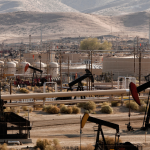
The return of oil as a market-moving force is the core reason this story matters. Brent crude is back above $100 a barrel, and Reuters reported that the recent surge is linked to the worsening conflict in the Middle East. Chancellor Rachel Reeves also said this week that it was too soon to judge the full effect of the war on Britain’s economy, underscoring how uncertain the outlook has become.
For the Bank of England, this creates a policy dilemma. Higher energy prices can slow growth by squeezing consumers and raising business costs. But at the same time, they can lift headline inflation and keep price expectations from falling as quickly as hoped. That means the same shock can strengthen the case for rate cuts from a growth perspective while weakening it from an inflation perspective. Central bankers do not enjoy these moments. Markets enjoy them only slightly more.
This is why BofA said judgment around further easing will become “an even closer call.” The bank pointed to downside risks for growth and a weaker labor market as important reasons why rate cuts are still likely eventually. But those factors now have to compete with a less friendly inflation backdrop. In other words, the BoE may still be heading toward cuts, just not with the calm, orderly confidence markets had hoped for.
What the Bank of England Is Likely to Do Next
According to the latest Reuters poll, economists widely expect the Bank of England to hold rates steady at its March 19 meeting, with the policy rate seen staying at 3.75%. The same poll found that economists still expect two cuts this year, but the timing has become less certain, with April or June now seen as the likelier starting points.
BofA’s expectation is that the BoE will maintain an easing bias while also stressing that uncertainty has increased. That is a very central-bank way of saying, “We still want flexibility, and thanks to oil, now we need even more of it.” The bank also said the bar for any policy tightening remains high, which suggests the base case is still eventual easing rather than renewed hikes.
That distinction matters. The current debate is not really about whether the BoE will suddenly turn hawkish and start raising rates again. It is about whether inflation uncertainty will force the bank to wait longer before delivering relief. Markets are increasingly treating that wait as the more realistic scenario. Reuters noted that pricing has shifted dramatically, from assigning around a 90% chance of a March cut two weeks ago to pricing in no cut at all for that meeting.
Growth Risks Still Support Easing Later
Even with the inflation risk back in focus, the growth picture has not magically improved. Reuters reported that the UK labor market has weakened, with unemployment at its highest level since the pandemic. That matters because softer labor conditions usually reduce wage pressure over time and strengthen the argument for rate cuts once inflation risks calm down.
This is why the market is not abandoning the easing story entirely. Instead, it is pushing it further out. The idea is no longer “cuts are coming right away.” It is “cuts are probably still coming, but policymakers need more proof that inflation is not about to turn into a second-round problem.” That is a meaningful shift in tone, and it can affect everything from bond yields to mortgage expectations to sterling positioning.
There is also the fiscal angle. Reuters reported that an official at the Office for Budget Responsibility said UK inflation could end 2026 at around 3%, rather than the roughly 2% previously assumed by fiscal forecasters, if energy prices stay near current levels. That is not a small difference. A year-end inflation rate near 3% would leave the BoE facing a very different policy environment than the one investors were hoping for earlier this quarter.
Why This Matters for Markets
For markets, the implications stretch beyond the BoE itself. Delayed rate cuts can affect gilt yields, sterling, bank stocks, homebuilders, and any sector sensitive to borrowing costs. They can also reshape expectations around consumer demand and business investment. When a major institution like BofA changes its call, it does not move policy by itself, but it does help signal where market consensus may be drifting.
This also matters because the UK is not alone. Goldman Sachs’ own revised forecast now sees three BoE cuts spread across July, November, and February 2027, reflecting the same concern that energy-driven inflation may delay action. When multiple banks revise in the same direction, traders tend to pay attention. The first cut becomes less of a calendar event and more of a confidence test about whether inflation is truly under control.
Bottom Line
BofA’s decision to delay its Bank of England rate-cut call from March to June captures the market’s newest headache: inflation was easing, but energy has complicated everything again. UK CPI slowed to 3.0% in January, and the BoE had been expected to move closer to its 2% target in coming months. But with Brent crude back above $100 and the Middle East conflict adding new uncertainty, that path now looks much less certain.
The Bank of England is still likely to cut rates this year, and the broader easing bias remains intact. But the first move may now come later, and the number of cuts could shrink if energy prices stay elevated. For investors, that means the UK rates story has shifted from a straightforward easing cycle to a more delicate balancing act between softer growth and renewed inflation pressure. Not exactly the peaceful spring rate-cut picnic markets had planned.