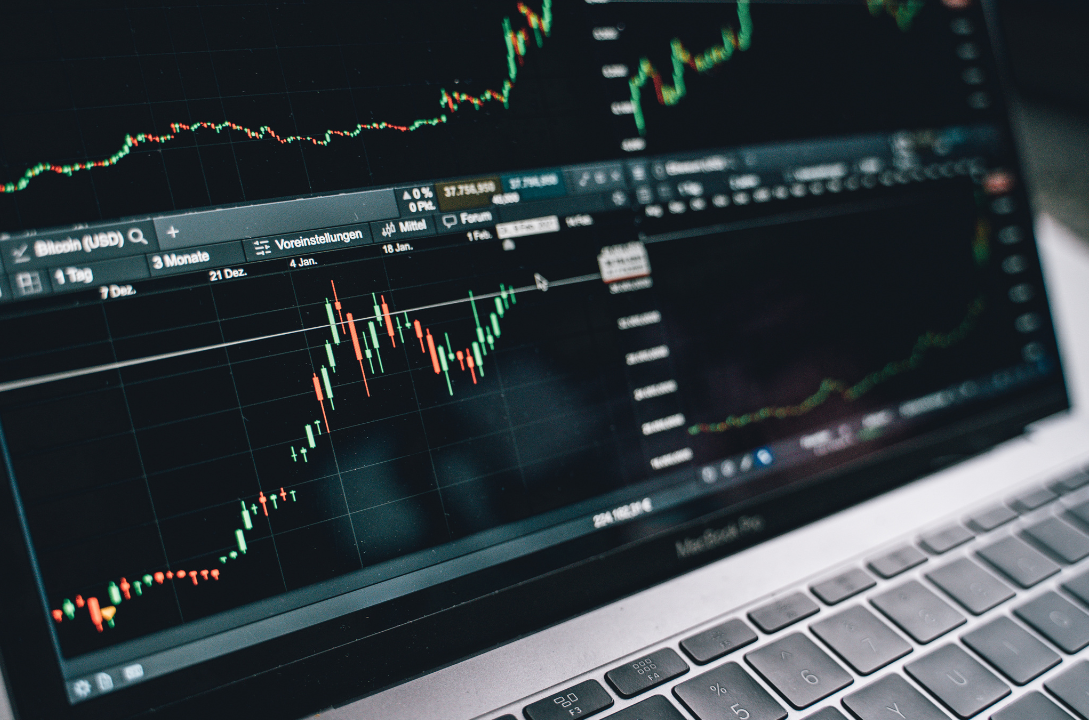
Silver prices are hovering near a four-week low, trading around the $80 per ounce level as investors navigate a complex mix of geopolitical tensions, inflation risks, and uncertain central bank policy expectations. While the precious metal has traditionally been viewed as both a safe-haven asset and an industrial commodity, its recent price action highlights how conflicting macroeconomic forces can pull it in different directions at the same time.
The current environment is shaped by escalating tensions in the Middle East, persistently high energy prices, and a global monetary policy stance that remains cautious despite earlier expectations for rate cuts. As markets reassess these factors, silver finds itself under pressure in the short term, even as its longer-term outlook remains supported by structural demand and supply dynamics.
Geopolitical Tensions Continue to Drive Market Uncertainty
One of the primary forces influencing silver prices is the ongoing geopolitical conflict involving the United States, Israel, and Iran. Now entering its third week, the conflict has intensified, with Iran reportedly increasing attacks on energy infrastructure across the region.
This situation has created a ripple effect across global markets. Typically, geopolitical instability drives demand for safe-haven assets such as gold and silver. However, the current scenario is more nuanced.
While safe-haven demand has provided some underlying support, the same conflict has also pushed oil prices significantly higher. Brent crude has remained elevated, reinforcing concerns that energy-driven inflation could become a persistent issue.
This dual effect has complicated the outlook for silver. On one hand, uncertainty supports demand for precious metals. On the other, rising energy prices increase inflation risks, which in turn influence central bank policy decisions—often in ways that are not favorable for metals like silver.
Inflation Concerns Remain at the Center of Market Focus
Inflation has once again become a dominant theme in global markets. After months of gradual easing in many economies, the recent surge in energy prices has reignited fears that inflation may prove more persistent than expected.
Higher oil prices directly affect transportation and production costs, which can feed into broader consumer prices. As a result, investors are increasingly concerned that central banks may need to maintain tighter monetary policies for longer than previously anticipated.
For silver, this presents a challenge. While the metal can act as an inflation hedge in certain conditions, it tends to struggle in environments where interest rates remain elevated.
Higher interest rates increase the opportunity cost of holding non-yielding assets such as silver. When investors can earn returns from bonds or other interest-bearing instruments, the relative appeal of precious metals can decline.
This dynamic has been a key factor behind silver’s recent weakness, even as broader market uncertainty remains high.
Central Bank Policy Outlook Adds Further Pressure
Monetary policy expectations are another critical factor shaping silver’s price movement.
Investors widely expect the Federal Reserve to hold interest rates steady at its upcoming meeting, marking a second consecutive pause. This reflects ongoing uncertainty about the inflation outlook and the potential risks associated with easing policy too quickly.
Other major central banks are expected to take a similar approach. The European Central Bank, the Bank of England, and the Bank of Japan are all anticipated to maintain their current policy settings in the near term.
This coordinated caution among global central banks reinforces the idea that the era of aggressive rate cuts may not arrive as quickly as markets once hoped.
For silver, this environment is not particularly supportive in the short term. Without a clear shift toward lower interest rates, the metal may struggle to attract strong bullish momentum.
Silver’s Dual Nature Creates Mixed Signals
Silver occupies a unique position in financial markets due to its dual role as both a precious metal and an industrial commodity.
Unlike gold, which is primarily driven by investment demand and macroeconomic factors, silver is also heavily influenced by industrial usage.
This includes applications in electronics, solar panels, electric vehicles, and other advanced technologies. As a result, silver’s price is often shaped by both economic growth expectations and broader financial market trends.
In the current environment, these two forces are pulling in opposite directions.
On one side, concerns about global growth and tighter monetary conditions may weigh on industrial demand expectations.
On the other side, long-term trends such as the expansion of renewable energy and increased demand for electronic components continue to support silver’s structural outlook.
This tension helps explain why silver has not experienced a more significant decline despite recent downward pressure.
Year-to-Date Performance Remains Strong
Despite trading near a one-month low, silver’s performance over a longer timeframe remains relatively strong.
The metal is still up approximately 12% since the beginning of the year, reflecting the broader bullish trend that has been in place throughout 2026.
This gain has been supported by a combination of factors, including supply constraints and robust industrial demand.
Market analysts have pointed to the possibility of a supply deficit in 2026, which could limit the availability of silver in global markets.
At the same time, demand from key sectors such as electronics and renewable energy continues to grow.
These structural factors provide a foundation for silver’s longer-term outlook, even if short-term price movements remain volatile.
Energy Prices Play a Key Role in the Outlook
The trajectory of energy prices will likely be a decisive factor for silver in the coming weeks.
If oil prices remain elevated, inflation concerns could persist, reinforcing the cautious stance of central banks.
In this scenario, silver may continue to face downward pressure as higher interest rates reduce its attractiveness relative to other assets.
However, if energy prices begin to stabilize or decline, inflation fears could ease. This could create room for central banks to adopt a more accommodative stance, which would generally be supportive for precious metals.
As a result, the relationship between oil and silver has become increasingly important for market participants.
Market Sentiment Remains Cautious
Overall market sentiment toward silver appears to be cautious rather than decisively bearish.
Investors are balancing short-term risks against longer-term opportunities, leading to a period of consolidation near recent lows.
Trading activity suggests that market participants are waiting for clearer signals before committing to stronger directional moves.
This could come in the form of new economic data, central bank guidance, or developments in the geopolitical landscape.
Until then, silver is likely to remain sensitive to shifts in macroeconomic expectations.
Technical Perspective: Key Levels to Watch
From a technical standpoint, the $80 level is acting as a key support zone for silver.
Holding above this level could help stabilize prices and potentially set the stage for a rebound.
On the downside, a sustained break below $80 could open the door for further declines, particularly if macroeconomic conditions continue to weigh on the market.
On the upside, resistance levels will likely emerge near recent highs, with traders looking for confirmation of renewed bullish momentum.
As always, technical levels should be viewed in conjunction with fundamental factors, especially in a market environment driven by external shocks and policy uncertainty.
Final Outlook
Silver’s recent move toward a four-week low reflects the complex interplay of geopolitical tensions, inflation concerns, and central bank expectations.
While the metal is facing short-term pressure from elevated interest rate expectations and rising energy prices, its longer-term outlook remains supported by strong industrial demand and potential supply constraints.
The key question for investors is whether inflation risks will continue to dominate the narrative or begin to fade in the coming weeks.
If inflation concerns persist, silver may struggle to regain upward momentum. However, if conditions shift in favor of easing monetary policy, the metal could once again benefit from renewed investor interest.
For now, silver remains caught between opposing forces—supported by long-term fundamentals but challenged by short-term macroeconomic realities.