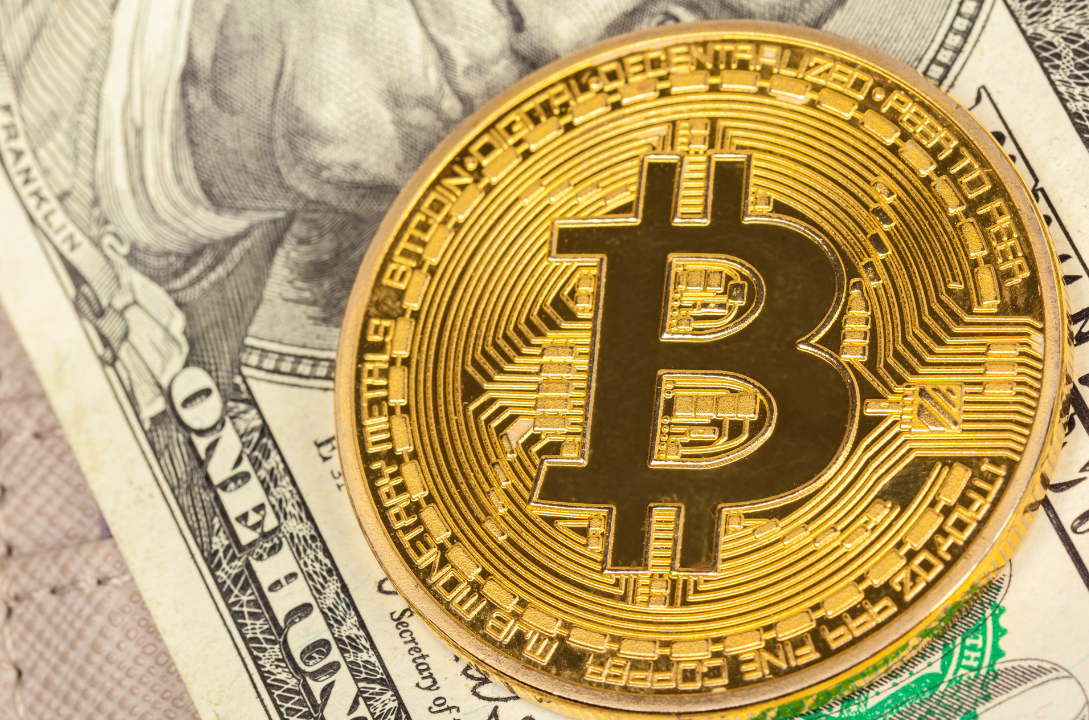
Bitcoin traders are positioning for a broader relief rally based on the expectation that tensions between the United States and Iran will ease and oil prices will continue falling. The bullish argument is straightforward: lower energy costs could improve risk sentiment, reduce inflation pressure and support demand for Bitcoin and other speculative assets.
Bitcoin was recently holding above $65,000 despite the ongoing conflict, which several analysts interpreted as evidence of underlying market strength. The cryptocurrency gained about 0.8% over 24 hours, while Brent crude had fallen roughly 10% to $87 after several days without new US attacks and a temporary pause in Iranian strikes.
However, the central assumption behind the trade remains unconfirmed. Diplomatic negotiations have not produced a ceasefire, and Iran has rejected a proposed mechanism for reopening the Strait of Hormuz. The strategic waterway remains heavily restricted after previously carrying around 20 million barrels of oil per day.
That leaves Bitcoin caught between technical resilience and geopolitical reality. Traders may be anticipating lower oil and calmer markets, but the closure of Hormuz continues to threaten energy supply, inflation expectations and global risk appetite.
Bitcoin Holds $65,000 During an Active Conflict
Bitcoin’s ability to remain above $65,000 has become one of the strongest points in the bullish argument.
Analyst Michaël van de Poppe said the cryptocurrency’s resilience during an active war showed underlying strength. His view was that Bitcoin had not yet broken through critical resistance, but could do so if oil prices continued to decline.
This interpretation matters because geopolitical conflicts often lead investors to reduce exposure to volatile assets. Bitcoin can sometimes benefit from monetary uncertainty, but in periods of immediate market stress it frequently trades like a high-risk asset alongside technology stocks and other speculative investments.
Holding above an important support area during a conflict suggests that sellers have not gained full control. It may also indicate that traders expect the situation to improve before it causes a deeper economic shock.
Still, support is not the same as a confirmed breakout. Bitcoin must clear its resistance zone before the market can claim that a new bullish phase has begun.
Lower Oil Is the Main Pillar of the Bullish Thesis
The relief-rally scenario depends heavily on oil continuing to fall.
Brent crude dropped about 10% to $87 after Iran paused strikes and the United States refrained from launching attacks for several days. Traders interpreted that decline as a sign that the most severe phase of the conflict might be ending.
Lower oil prices can support Bitcoin through several channels. They may reduce inflation pressure, improve consumer and business sentiment and lower the risk that central banks maintain restrictive monetary policy for longer.
Energy prices also influence the broader appetite for risk. When crude rises sharply, markets may worry about weaker growth, higher transportation costs and renewed inflation. When oil retreats, those concerns can ease, encouraging investors to return to equities, cryptocurrencies and other growth-sensitive assets.
Analyst Ted Pillows made a similar argument, suggesting that a sustained pause in hostilities could push oil sharply lower and support a wider market rally.
The problem is that the fall in oil reflects expectations of de-escalation rather than a completed diplomatic agreement.
The Strait of Hormuz Remains the Trade’s Weakest Link
The Strait of Hormuz is the main obstacle to the bullish Bitcoin narrative.
Before the war, the waterway carried approximately 20 million barrels of oil per day. Since then, traffic has slowed to a trickle, contributing to multi-week highs in crude oil and a 38% rise in US gasoline prices since February.
As long as the strait remains restricted, global energy markets face the risk of renewed price spikes. That risk can quickly undermine the assumption that inflation pressure will ease.
A Qatari-Pakistani proposal called for Iran to reopen the strait immediately in exchange for the United States lifting its port blockade and sanctions on Iranian oil sales. Both countries submitted responses, but Iran suspended the talks and rejected the proposed creation of a new transit corridor.
The rejection does not mean negotiations have ended permanently. However, it shows that the diplomatic path is not advancing in the way Bitcoin bulls require.
Matt Smith, director of commodity research at Kpler, said he did not expect the Strait of Hormuz to reopen until next year. If that assessment proves correct, energy markets may remain structurally tight even if direct military attacks slow.
A Pause in Fighting Is Not a Ceasefire
The distinction between a temporary pause and an actual ceasefire is critical.
Iran had avoided new strikes, and the United States had not attacked for several days. That reduced immediate fears and encouraged traders to anticipate further de-escalation.
Yet neither side has confirmed a comprehensive agreement. The conflict remains unresolved, and the negotiations surrounding Hormuz have stalled.
Markets often move ahead of political developments. Traders may buy risk assets when they believe the probability of improvement is rising, rather than waiting for a formal agreement. This can create powerful rallies if expectations are later confirmed.
It can also create sharp reversals if the anticipated outcome fails to materialize.
Bitcoin’s current strength therefore reflects a market forecast, not a completed geopolitical shift. The bullish position assumes that the absence of attacks will continue, negotiations will resume and energy supply conditions will gradually improve.
Any renewed strike, maritime incident or diplomatic breakdown could challenge that assumption quickly.
Why Oil Matters So Much for Bitcoin
Bitcoin does not depend directly on oil demand, but energy prices can shape the macroeconomic conditions that influence cryptocurrency markets.
Higher oil prices can raise transportation, manufacturing and consumer costs. These effects may keep inflation elevated and reduce expectations for easier monetary policy.
Restrictive interest rates can pressure Bitcoin because they make cash and government bonds more attractive relative to speculative assets. They can also reduce liquidity and limit investor willingness to take risk.
Lower oil prices can create the opposite effect. They may improve expectations for inflation, support economic activity and increase the possibility of a more favorable monetary environment.
This is why crypto analysts are closely linking the Bitcoin outlook to the direction of crude. The relationship is indirect, but it becomes more important during a major geopolitical energy shock.
The current trade is therefore not based only on Bitcoin’s chart. It is also a macroeconomic bet that energy markets will normalize.
Resistance Still Blocks a Clear Bitcoin Breakout
Van de Poppe noted that Bitcoin had not yet cleared critical resistance. That limits the strength of the bullish technical signal.
A resistance zone represents an area where selling pressure has previously prevented further gains. If Bitcoin breaks above it and holds, traders may view the move as confirmation that demand has overcome available supply.
The analyst described a successful break as the point where the market could enter a much stronger phase. Until that happens, Bitcoin remains vulnerable to rejection.
The current setup combines a stable support area around $65,000 with unresolved resistance overhead. That creates a market in which buyers appear confident, but have not yet proven full control.
A breakout supported by falling oil and clearer diplomatic progress would strengthen the bullish case. A failure at resistance, combined with renewed geopolitical stress, could encourage profit-taking.
Retail Sentiment Remains Neutral
Despite the optimistic commentary from several analysts, retail sentiment around Bitcoin remained neutral on Stocktwits. Discussion levels were also low.
This suggests that the market is not yet experiencing broad speculative enthusiasm. That can be interpreted in two ways.
On the positive side, neutral sentiment may indicate that Bitcoin’s recent strength is not driven by excessive retail excitement. A rally built without widespread euphoria can sometimes be more sustainable.
On the other hand, low discussion and neutral sentiment may show that investors remain unconvinced. Traders could be waiting for a clearer breakout, a formal ceasefire or a meaningful improvement in Hormuz traffic before increasing exposure.
The lack of intense retail participation fits the broader picture: the market is cautiously pricing a better outcome, but has not fully committed to it.
What Could Support a Wider Crypto Rally
Several developments could strengthen the relief-rally scenario.
The first would be a formal ceasefire or a durable extension of the current pause in attacks. This would reduce the immediate risk of further damage to regional infrastructure and shipping routes.
The second would be renewed progress in negotiations over the Strait of Hormuz. Even a partial reopening could improve expectations for oil supply and reduce transportation risk.
The third would be a continued decline in Brent crude. A sustained move below recent levels would reinforce the view that the energy shock is easing.
The fourth would be a confirmed Bitcoin breakout above resistance. Technical confirmation could attract additional momentum traders and improve confidence across the crypto market.
If these conditions align, capital could rotate into Ether, major altcoins and other risk-sensitive digital assets. Bitcoin would likely remain the primary indicator of whether that shift is gaining strength.
What Could Break the Bullish Thesis
The most obvious risk is renewed military escalation.
A new US strike, an Iranian response or an attack affecting shipping infrastructure could send oil prices higher and reverse recent gains in risk assets.
The continued closure of Hormuz is another threat. Even without new attacks, restricted oil flows can keep energy prices elevated and maintain pressure on inflation.
Diplomatic failure could also weaken the market. If Iran formally withdraws from talks or the United States rejects further negotiations, traders may abandon expectations of near-term de-escalation.
Bitcoin-specific risks remain as well. A rejection at resistance could trigger profit-taking, especially after traders positioned for a geopolitical outcome that has not yet occurred.
The relief trade therefore contains asymmetric risk. The market has already begun pricing improvement, while the political and energy conditions needed to confirm that improvement remain uncertain.
What Traders Should Watch Next
The first signal is the direction of Brent crude. Continued declines would support the Bitcoin rally thesis, while a renewed spike would weaken it.
The second is any official announcement regarding talks between the United States and Iran. A formal ceasefire would carry much more weight than a temporary absence of strikes.
The third is shipping activity through the Strait of Hormuz. Actual increases in transit volumes would provide stronger confirmation than diplomatic statements alone.
The fourth is Bitcoin’s behavior around resistance. A sustained breakout would show that buyers are willing to commit beyond the current support range.
Finally, traders should monitor broader risk sentiment. Bitcoin may struggle to rally if energy prices rise, equities weaken and investors reduce exposure across global markets.
Bitcoin is holding near $65,000 as traders anticipate an easing of US-Iran tensions and a continued decline in oil prices. The cryptocurrency’s resilience during the conflict has encouraged analysts to argue that the market retains underlying strength.
However, the bullish case remains dependent on an outcome that has not yet been secured. Iran has rejected the proposed mechanism for reopening the Strait of Hormuz, and the strategic waterway remains largely closed.
The current rally is therefore based on expectations of de-escalation rather than confirmed diplomatic progress. Lower oil could support Bitcoin and the wider crypto market, but renewed conflict or prolonged disruption in Hormuz would quickly challenge that scenario.
Bitcoin bulls are pricing in calmer geopolitics, falling oil and improving risk appetite before those conditions are fully established. BTC’s strength above $65,000 is constructive, but the next major move depends on whether diplomacy, energy markets and technical resistance finally confirm the relief-rally thesis.