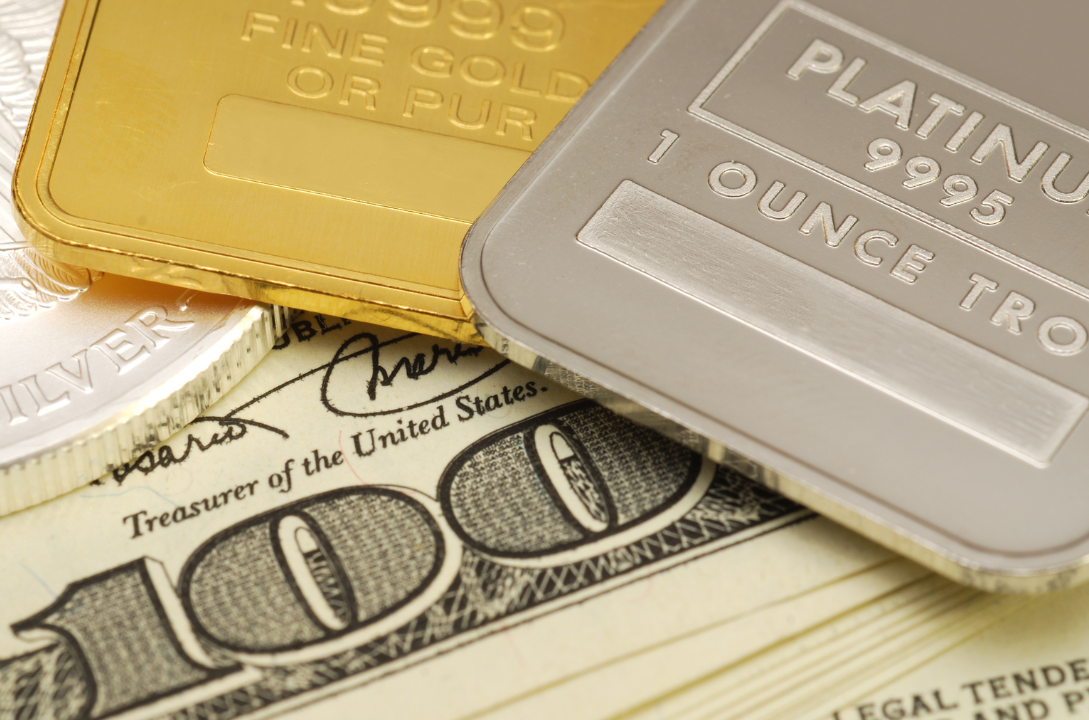
Gold, silver and platinum prices moved higher as investors responded to escalating tensions in the Middle East, stronger demand for precious metals and renewed concerns about inflation. Gold remained the main focus, with traders looking for a potential continuation of the rally despite rising US Treasury yields.
The market faces competing forces. Higher bond yields can pressure non-yielding assets such as gold, but elevated oil prices linked to geopolitical tensions are increasing inflation concerns. That combination is keeping demand for precious metals firm as investors weigh the risk of persistent price pressures against the possibility of tighter Federal Reserve policy.
Silver approached the important $60 level, while platinum also gained as broader interest in precious metals strengthened. The next phase will depend on whether gold can break through key resistance levels and whether official data confirms continued central bank demand.
Gold Holds Firm Despite Rising Treasury Yields
Gold prices advanced even as US Treasury yields moved higher. This is notable because rising yields generally increase the opportunity cost of holding gold, which does not provide interest payments.
The ability of gold to rise in that environment suggests that geopolitical and inflation risks are currently strong enough to offset part of the pressure from the bond market. Investors appear to be treating the metal as a defensive asset while uncertainty surrounding the Middle East remains elevated.
Higher oil prices are contributing to this view. When energy costs rise, they can feed into transportation, production and consumer prices. That can strengthen demand for assets traditionally used as protection against inflation.
However, the same inflation concerns can also create a risk for gold. If the Federal Reserve believes price pressures are becoming more persistent, it may keep monetary policy restrictive for longer. Higher rates or a more hawkish policy outlook could limit the upside for precious metals.
Middle East Tensions Support Safe-Haven Demand
The conflict in the Middle East remains an important driver for the precious-metals market. Geopolitical instability often increases demand for gold because investors use it to reduce exposure to riskier assets and uncertain economic outcomes.
The effect is not limited to direct safe-haven buying. Middle East tensions can also disrupt energy markets and push oil prices higher. That creates a second source of support through inflation expectations.
For gold traders, the current environment therefore combines geopolitical protection with concerns about the purchasing power of currencies. This can keep the metal supported even when traditional headwinds, such as higher yields, remain present.
The durability of the move will depend on whether tensions continue to affect oil prices and market sentiment. If geopolitical risks ease, part of the premium supporting precious metals could fade.
Silver is approaching the $60 level as demand expands beyond gold. The metal often benefits when investors become more confident in a broader precious-metals rally.
A favorable gold-to-silver ratio is also supporting the market. This ratio compares the price of gold with the price of silver and can help traders assess whether one metal appears expensive or inexpensive relative to the other.
When silver looks undervalued compared with gold, investors may expect it to catch up. That can attract buying, particularly when gold has already established a stronger upward trend.
The $60 area is important because it represents a major psychological level. A sustained move above it could strengthen bullish momentum and encourage further demand. A rejection, however, could lead to profit-taking after the recent advance.
Silver is generally more volatile than gold. This means it can outperform during a strong rally, but it can also correct more sharply if sentiment weakens.
Platinum Gains as Precious-Metals Demand Broadens
Platinum also moved higher as demand spread across the precious-metals complex. Its advance suggests that investors are not focusing exclusively on gold.
A broad rally can be more significant than a move led by one metal. When gold, silver and platinum rise together, it may indicate stronger overall demand for hard assets and inflation-sensitive markets.
Platinum has its own market dynamics, but the current move appears connected to the wider strength in precious metals. Investors may be seeking exposure to metals that have not advanced as strongly as gold or that offer different supply-and-demand characteristics.
The sustainability of platinum’s rally will depend on whether broader precious-metals demand remains strong. If gold continues higher and silver breaks through resistance, platinum could benefit from additional market interest.
Gold Resistance Levels Will Define the Next Move
The short-term outlook depends heavily on whether gold can break through key resistance levels. A confirmed breakout could support another stage of the rally and reinforce bullish sentiment across silver and platinum.
Resistance levels matter because they show where previous selling pressure has been strong enough to stop price advances. When gold moves above such levels and holds, traders may interpret the action as evidence that demand is overcoming available supply.
A failed breakout would create a different signal. If gold repeatedly struggles at resistance, some traders may take profits, particularly if Treasury yields continue rising or the Federal Reserve adopts a more restrictive tone.
The market therefore needs confirmation. Strong momentum alone may not be sufficient if the price cannot hold above important technical barriers.
Inflation and Federal Reserve Policy Remain Key Risks
Inflation is currently supporting demand for precious metals, but it also creates one of the main risks to the rally.
Higher oil prices can increase inflation expectations and make gold more attractive as a store of value. Yet persistent inflation may also lead the Federal Reserve to delay policy easing or maintain higher interest rates.
That creates a difficult balance for traders. Moderate inflation concerns can support gold, while a strong tightening response from the Fed can pressure it through higher yields and a stronger dollar.
Precious metals may therefore remain sensitive to economic data, central bank communication and changes in rate expectations. A softer policy outlook would likely support the market, while renewed expectations for tighter monetary conditions could limit gains.
Central Bank Gold Purchases Could Confirm the Trend
Traders are waiting for official data on central bank gold purchases. These figures could provide additional confirmation of whether institutional demand remains strong.
Central banks have the ability to influence the gold market through large and sustained purchases. Unlike short-term speculative flows, official-sector buying can provide a more stable source of demand.
If upcoming data shows continued accumulation, it could strengthen the bullish case and suggest that the current rally is supported by more than geopolitical headlines.
Weak or slowing purchases would not necessarily reverse the trend, but they could reduce one source of confidence. Traders would then place greater emphasis on inflation, yields, the dollar and technical price action.
What Traders Should Watch Next
The first factor is whether gold can break and hold above resistance. A successful move could support further gains across the precious-metals complex.
The second is silver’s reaction around $60. A sustained breakout may confirm broader market strength, while a rejection could produce short-term volatility.
The third is the direction of Treasury yields. Continued increases may eventually create stronger pressure on gold if geopolitical demand begins to weaken.
Oil prices and Middle East developments will also remain important because they influence both safe-haven demand and inflation expectations.
Finally, official central bank purchase data could help determine whether the rally has strong institutional support.
Gold, silver and platinum are gaining as Middle East tensions, elevated oil prices and strong demand support precious metals. Gold is showing resilience despite higher Treasury yields, while silver is testing the important $60 level and platinum is benefiting from broader market interest.
The outlook remains constructive, but risks are still present. Inflation can support precious metals while also encouraging tighter Federal Reserve policy. The next move will depend on gold’s ability to clear resistance, silver’s behavior near $60 and confirmation of continued central bank buying.
Precious metals remain supported by geopolitical uncertainty and inflation concerns, but the rally still requires technical and institutional confirmation. Gold’s resistance levels, silver’s $60 test and central bank purchase data will be the main signals for the next stage of the market.