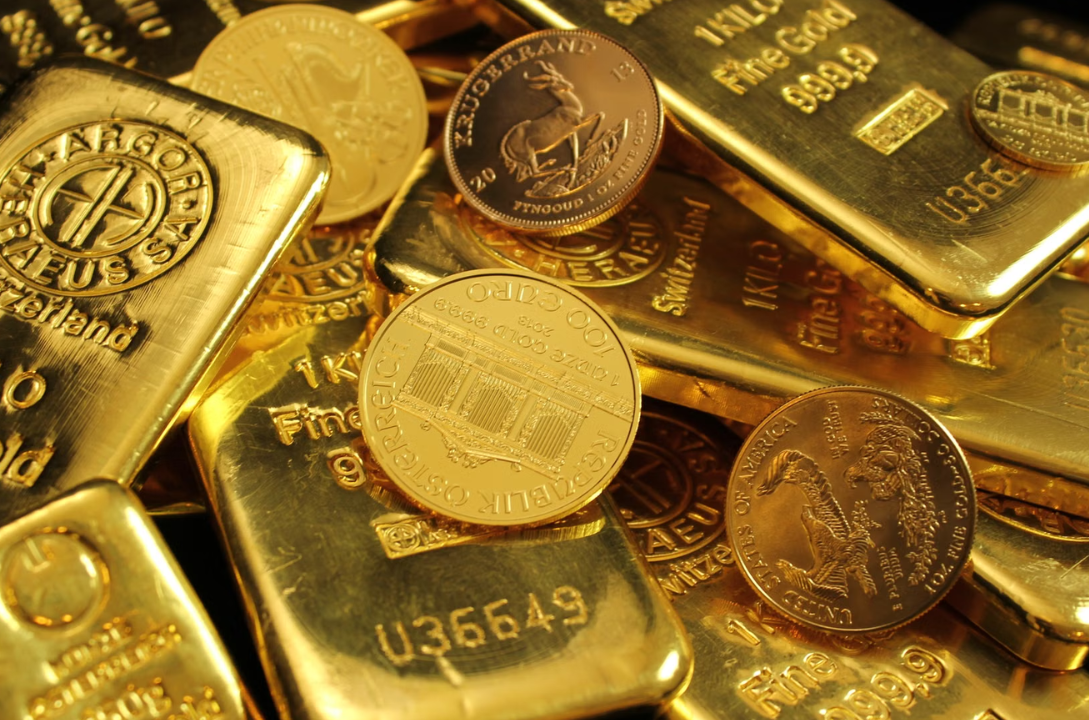
Gold prices held near a seven-month low on Tuesday, leaving the metal on track for its worst quarterly performance since the second quarter of 2013. The decline reflects a sharp shift in sentiment across precious metals as a stronger US dollar, rising expectations of Federal Reserve rate hikes and weaker momentum continue to pressure bullion.
Spot gold edged 0.2% higher to $4,022.29 per ounce by 0923 GMT, after touching its lowest level since November 2025 earlier in the session. US gold futures for August delivery slipped 0.1% to $4,036.50 per ounce.
The small intraday rebound did little to change the broader picture. Gold is down more than 11% for the month, on pace for a fourth consecutive monthly decline. It is also set for its first quarterly loss since 2024 and its biggest quarterly percentage drop in 13 years.
The latest price action shows a major change in how traders are treating gold. For much of the previous bull cycle, investors often bought dips, viewing weakness as an opportunity to add exposure. Now, the pattern appears different.
Saxo Bank analyst Ole Hansen said gold’s failure to sustain gains highlights fragile sentiment, with traders selling into strength rather than buying into weakness. That shift is important because it suggests confidence in the uptrend has weakened.
When traders sell rallies, the market struggles to build momentum. Even small recoveries can be met with fresh supply, preventing the metal from forming a durable base.
This is one of the clearest signs that gold is no longer trading with the same automatic support it enjoyed during the earlier phase of its multiyear rally.
The $4,100 Level Becomes Critical
According to Hansen, gold would need to break above $4,100 before it becomes reasonable to argue that a low has been established. That level now acts as an important short-term marker for traders watching whether bullion can stabilize.
Gold’s move below recent support levels has damaged technical confidence. A recovery above $4,100 would not guarantee a full reversal, but it would suggest that buyers are regaining some control.
Without that move, the market may continue to treat rebounds as selling opportunities. This keeps downside pressure alive, especially if the dollar remains firm and US rate expectations continue moving higher.
The area around $4,000 also remains psychologically important. A sustained break below that threshold could increase bearish pressure, while a successful defense may help gold slow its decline.
A stronger US dollar remains one of the biggest headwinds for gold. The dollar is set for a second consecutive monthly gain as markets price in higher odds of additional Federal Reserve rate hikes.
Because gold is priced in dollars, a stronger US currency makes the metal more expensive for buyers using other currencies. That can reduce international demand and weaken investor appetite.
The dollar’s strength also reflects broader expectations that US monetary policy will remain restrictive. When traders believe the Fed may raise rates again, the dollar often benefits, while non-yielding assets such as gold face pressure.
This dollar effect has been especially important during the current downturn. Even when gold finds short-term support from inflation concerns or geopolitical uncertainty, a firm dollar limits its ability to recover.
Fed Rate-Hike Bets Hurt Bullion
Higher interest-rate expectations are another major problem for gold. Traders currently see a 64% probability of a US rate increase in September, according to CME FedWatch data.
This is a significant change from earlier market expectations. Higher energy prices linked to the Middle East war helped erase expectations of US rate cuts this year. Instead of preparing for easier policy, markets are now considering the possibility of renewed tightening.
Gold is often viewed as a hedge against inflation, but it does not pay interest. When rates rise, investors can earn higher returns from yield-bearing assets such as Treasury bonds. That increases the opportunity cost of holding bullion.
As a result, even if inflation remains elevated, gold can struggle when the market believes the Fed will respond with higher rates.
Inflation Hedge Narrative Weakens
Gold’s traditional role as an inflation hedge has not disappeared, but it is being challenged by the current rate environment. In theory, persistent inflation should support demand for bullion. In practice, if inflation leads to higher interest rates, the effect can become negative for gold.
That is the current dilemma. Inflation concerns remain present, especially with energy prices elevated by geopolitical tensions. But those same concerns are strengthening the case for tighter monetary policy.
This means investors are not simply buying gold because inflation is high. They are also asking whether real yields will rise and whether the Fed will keep financial conditions tight.
If real yields stay elevated, gold may continue to face pressure despite its inflation-hedge reputation.
Employment Data Becomes the Next Catalyst
The market’s attention is now turning to upcoming US employment data, including the ADP employment report and nonfarm payrolls. These releases could provide important clues about the Federal Reserve’s next policy steps.
A strong labor market would likely reinforce the case for higher rates. If hiring remains resilient and wage pressures persist, the Fed may have more room to tighten policy or delay any future easing.
That would be negative for gold, as it would support both the dollar and Treasury yields.
On the other hand, weaker employment data could reduce rate-hike expectations and allow gold to recover some ground. For now, however, traders remain cautious ahead of the data.
The next move in bullion may depend heavily on whether labor-market figures confirm or challenge the current hawkish repricing.
Silver Also Faces Heavy Losses
Gold is not the only precious metal under pressure. Silver is also heading for its biggest quarterly drop since 2013 and its sharpest monthly loss since September 2011.
Spot silver rose 0.6% to $58.64 per ounce on Tuesday, but the small gain did not change the broader negative trend. Like gold, silver remains on track for both monthly and quarterly losses.
Silver tends to be more volatile than gold because it has both monetary and industrial characteristics. When precious metals come under pressure from a stronger dollar and higher rate expectations, silver can fall harder.
Its industrial demand profile can also become a weakness if traders worry about growth, manufacturing or global demand conditions.
Platinum Suffers Severe Monthly Decline
Platinum gained 0.2% to $1,577.14 per ounce, but it too remains headed for significant losses. The metal is set for its worst month since 2008 and its weakest quarter since January 2020.
That performance shows how broad the pressure has become across the precious metals complex. Platinum’s weakness reflects not only macro pressure from rates and the dollar, but also concerns around industrial demand and positioning.
Platinum is widely used in automotive catalysts, industrial applications and jewelry. Its price can therefore be affected by both financial-market sentiment and physical demand expectations.
The scale of the decline suggests investors have been reducing exposure across the entire metals space, not just in gold.
Palladium Rises but Remains Under Pressure
Palladium rose 1.04% to $1,266 per ounce, outperforming the other major precious metals during the session. However, it also remains on track for monthly and quarterly losses.
Palladium has faced its own structural challenges in recent years, including shifting automotive demand, substitution with platinum in some applications and uncertainty around internal combustion engine demand.
Even with Tuesday’s gain, the broader environment remains difficult. A stronger dollar, higher rates and weaker investor appetite for metals continue to limit upside.
The simultaneous weakness in gold, silver, platinum and palladium shows that the selloff is not isolated. It reflects a wider adjustment in how investors are pricing precious metals in a higher-rate environment.
Precious Metals Lose Their Momentum
The current quarter marks a significant reversal for precious metals. Earlier, gold had benefited from strong safe-haven demand, concerns over fiscal risks, central bank buying and the broader search for alternatives to traditional currencies.
That momentum has faded as the dollar strengthened and the Fed outlook shifted. Once traders began expecting higher rates instead of cuts, the market’s willingness to hold non-yielding metals weakened.
The result is a broad reset in positioning. Traders who previously bought weakness are now selling rallies. That change can become self-reinforcing if prices fail to recover key technical levels.
Until metals regain momentum, the market may remain vulnerable to additional downside.
What Traders Should Watch Next
The first factor to watch is the $4,100 level in gold. A break above that level would suggest that the market may be trying to establish a low. Failure to reclaim it would keep sentiment fragile.
The second factor is the US dollar. Continued dollar strength would remain a major obstacle for gold and other metals.
The third factor is Federal Reserve pricing. If the probability of a September rate hike rises further, gold could face renewed pressure.
The fourth factor is US labor data. ADP employment and nonfarm payrolls may shape expectations for the Fed’s next move.
The fifth factor is whether traders continue selling rallies. If that behavior persists, it will be difficult for gold to form a durable recovery.
Gold is heading for its worst quarterly performance since 2013 as a stronger US dollar and rising expectations of Federal Reserve rate hikes pressure the precious metals market. Spot gold remains near a seven-month low, down more than 11% for the month and on track for a fourth straight monthly decline.
Silver, platinum and palladium are also headed for monthly and quarterly losses, showing that the weakness is broad across the metals complex. The upcoming US employment data will be important for determining whether the Fed rate-hike narrative strengthens further or begins to soften.
Gold’s decline is not just a short-term pullback. It reflects a deeper shift in sentiment, with traders now selling into strength rather than buying weakness. A move above $4,100 is needed to suggest that a low may be forming. Until then, dollar strength, higher-rate expectations and fragile momentum remain the dominant risks for bullion.