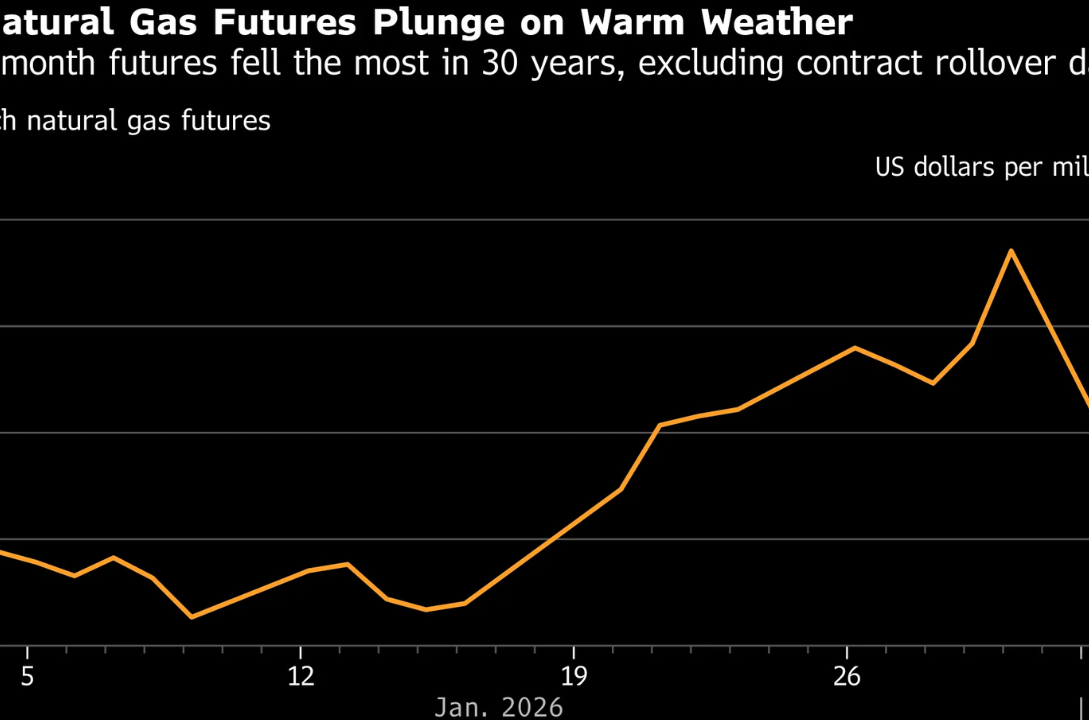
U.S. natural gas futures rose for a third consecutive session as weather forecasts turned warmer and traders focused on stronger electricity-sector demand. Nymex natural gas settled up 3.8% at $3.343 per million British thermal units, supported by expectations that hotter temperatures will increase power burn next week.
The latest move reflects a market that is becoming more sensitive to summer demand. As temperatures rise, utilities typically burn more natural gas to generate electricity for air conditioning. That demand can tighten balances, especially when combined with steady liquefied natural gas feedgas flows.
However, the bullish demand outlook is being weighed against a still-meaningful storage cushion. The U.S. Energy Information Administration reported a 76 billion cubic feet storage build for last week. That figure was almost in line with the five-year average, but it came in above the 70 billion cubic feet estimate from analysts surveyed by The Wall Street Journal.
The storage build was not large enough to fully derail the market’s stronger tone, but it reminded traders that inventories remain comfortable even as summer consumption begins to rise.
Weather Becomes the Main Driver
The most important catalyst for natural gas is now weather. Forecasts showing hotter conditions have shifted attention toward electricity demand, especially as the market moves deeper into the summer cooling season.
Natural gas demand tends to rise when temperatures increase because power generators need more fuel to meet cooling demand. Air conditioning load can become a major driver of consumption during hot periods, particularly across large population centers.
The market response shows that traders are increasingly focused on next week’s power burn. If warmer forecasts are confirmed or extended, the demand side of the market could remain supportive.
This matters because natural gas prices often move quickly when weather models change. A hotter outlook can lift prices by raising expected consumption, while cooler revisions can remove support just as fast.
Power Burn Expected to Rise Sharply
Gelber & Associates noted that the stronger argument for natural gas currently sits on the demand side. The firm pointed to expectations for a sharp rise in power burn next week as a key factor supporting prices.
Power burn refers to the amount of natural gas used by power plants to generate electricity. During summer, it becomes one of the most important components of demand. When temperatures rise, electricity use increases, and gas-fired generation often plays a central role in meeting that load.
A sharp increase in power burn can reduce the pace of storage injections. If weekly storage builds become smaller than expected during peak cooling demand, traders may start to price a tighter balance.
For now, the market is not necessarily pricing a supply crisis. It is pricing a stronger short-term demand outlook, supported by warmer temperatures and higher power-sector consumption.
LNG Feedgas Remains a Supportive Factor
Another supportive factor is LNG feedgas demand. Gelber & Associates said LNG feedgas continues to hold near strong operating levels. This matters because gas flowing into LNG export terminals represents a steady source of demand.
When LNG facilities operate at high levels, they pull natural gas from the domestic market and convert it into liquefied gas for export. Strong feedgas demand can tighten U.S. balances, especially when domestic power demand is also increasing.
The combination of higher power burn and strong LNG feedgas creates a more constructive demand picture. Even if storage remains comfortable, persistent demand from both sectors can limit how quickly inventories continue to expand.
For traders, LNG flows are now a regular part of the U.S. natural gas balance. Any disruption, maintenance event or change in feedgas demand can influence futures pricing.
Storage Build Comes in Above Expectations
The EIA reported a 76 billion cubic feet injection into storage for the previous week. The figure was close to the five-year average but higher than the 70 billion cubic feet forecast in a Wall Street Journal survey of analysts.
A larger-than-expected build can sometimes pressure prices because it suggests supply is exceeding demand by more than anticipated. In this case, however, the market still closed sharply higher because weather and demand expectations outweighed the storage miss.
Gelber & Associates said the miss was not large enough to reset the broader market narrative by itself. That is an important interpretation. Traders did not ignore the build, but they viewed it as insufficient to overcome the warmer demand outlook.
The market therefore remains divided between two forces: bullish weather-driven demand and a bearish-to-neutral inventory cushion.
Even with stronger demand expectations, storage remains a limiting factor for natural gas prices. The 76 billion cubic feet build reinforced that the market still has a meaningful inventory cushion.
A storage cushion means the market has enough gas in underground inventories to reduce the risk of immediate shortage. When storage is comfortable, price rallies can face resistance unless demand rises enough to materially tighten balances.
This is why the latest rally should be read carefully. The market is responding to near-term demand expectations, not necessarily declaring a long-term structural shortage.
For prices to move substantially higher and sustain the gain, traders would likely need to see repeated signs that storage injections are slowing. That could happen if heat intensifies, LNG feedgas remains strong and production does not rise enough to offset demand.
The Three-Session Winning Streak Shows Improving Sentiment
Natural gas futures have now risen for three consecutive sessions. A short winning streak can signal a shift in sentiment, especially after a period of rangebound or bearish trading.
The latest settlement at $3.343 per mmBtu shows that buyers are responding to the warmer weather outlook. Momentum can build quickly in natural gas because the market is highly sensitive to weather model changes, storage surprises and positioning.
However, three sessions of gains do not guarantee a sustained breakout. Natural gas remains volatile, and the market can reverse sharply if forecasts turn cooler or if storage builds continue to exceed expectations.
The next few weather model updates and weekly storage reports will be important in determining whether this rally extends or fades.
Why Summer Weather Has Outsized Impact
Summer weather has an outsized impact on natural gas because electricity demand can surge quickly during heatwaves. Gas-fired power plants are often used to meet peak demand, particularly when air conditioning load rises across major regions.
Unlike industrial demand, which tends to move more gradually, power demand can change rapidly with daily temperature shifts. That makes natural gas futures especially reactive to forecasts for heat, humidity and regional cooling-degree days.
If hot weather spreads across heavily populated regions, gas demand can rise materially. If the heat is concentrated in less demand-intensive areas or fades quickly, the impact may be smaller.
This is why traders do not only monitor whether temperatures are warm. They also watch where the heat occurs, how long it lasts and whether nighttime temperatures remain elevated.
Market Still Needs Confirmation
The current rally is demand-driven, but the market still needs confirmation. A warmer forecast is supportive, but traders will want to see that expected demand translates into actual consumption.
The first confirmation will come from power burn data. If gas-fired electricity demand rises sharply next week as expected, the bullish argument will strengthen.
The second confirmation will come from storage reports. If future builds fall below expectations, the market may begin to price tighter balances more aggressively.
The third confirmation will come from LNG feedgas flows. Continued strength would support the idea that demand remains resilient across both domestic and export channels.
Without confirmation, the rally could remain vulnerable to reversal.
What Traders Should Watch Next
The first factor to watch is weather forecast consistency. If models continue to show hotter conditions, natural gas may retain support. If forecasts moderate, the rally could lose momentum.
The second factor is power burn. A sharp rise next week would validate the demand-side argument.
The third factor is LNG feedgas demand. Strong operating levels at export terminals can help keep total demand elevated.
The fourth factor is weekly storage data. Builds above expectations would reinforce the inventory cushion, while smaller builds could shift the market more bullishly.
The fifth factor is price action around $3.30 to $3.40 per mmBtu. Holding this zone could support a stronger technical setup, while a failure to maintain gains may invite renewed selling.
U.S. natural gas futures extended their winning streak to three sessions as warmer weather forecasts lifted expectations for stronger electricity-sector demand. Nymex natural gas settled up 3.8% at $3.343 per mmBtu, supported by projections for higher power burn next week and continued strength in LNG feedgas flows.
The rally came even after the EIA reported a 76 billion cubic feet storage build, above the 70 billion cubic feet analyst estimate and close to the five-year average. That build reinforced that storage remains comfortable, but it was not large enough to override the improving demand outlook.
Natural gas prices are being pulled higher by the prospect of hotter weather and stronger power demand, but storage remains a meaningful constraint. If heat forecasts persist and power burn rises sharply, the rally could extend. If weather moderates or storage builds remain strong, the market may struggle to sustain gains above recent levels.