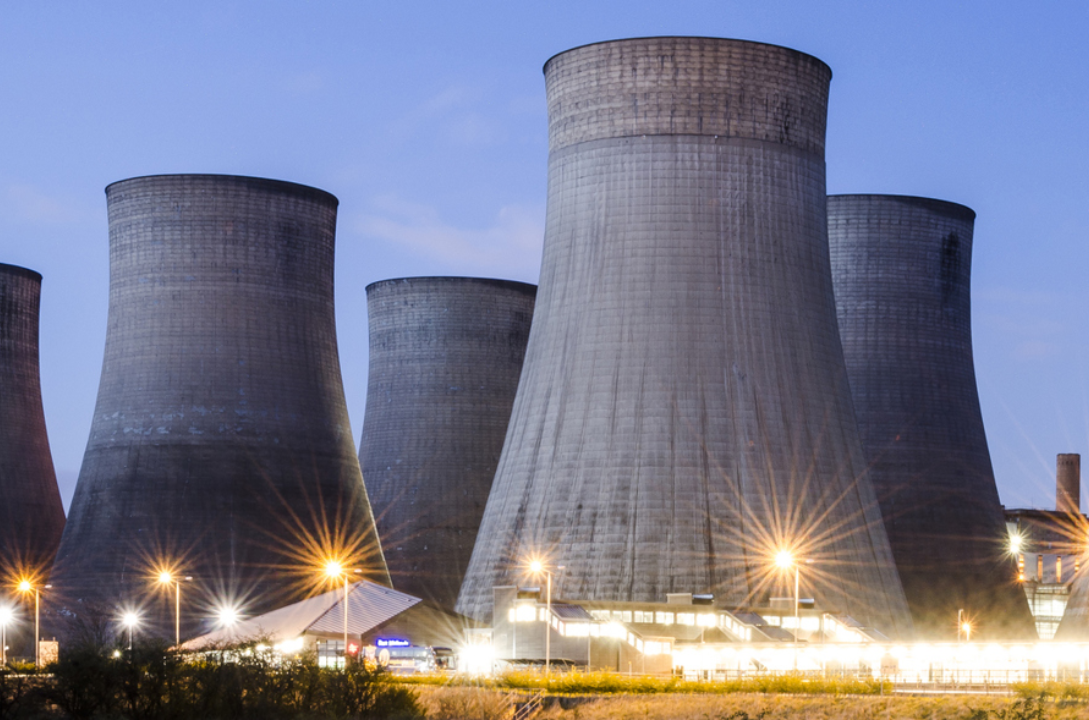
Uranium futures in the United States slipped below $85 per pound in late May, reaching their lowest level in nearly two months as the earlier speculative rally lost strength. After spending several weeks in a narrow range, the market has moved back toward quieter trading conditions, with spot buying by utilities remaining limited.
The decline does not necessarily signal a collapse in the long-term uranium story. Instead, it reflects a cooling phase after prices had been supported by geopolitical tension, energy security concerns, and growing interest in nuclear power from governments and large technology companies. Traders are now reassessing whether near-term demand is strong enough to justify elevated prices, especially when many utilities continue to rely heavily on long-term supply contracts rather than active spot-market purchases.
For futures traders and commodity investors, the move below $85 is important because uranium has been one of the more closely watched energy-linked commodities of the past year. The market sits at the intersection of nuclear policy, electricity demand, artificial intelligence infrastructure, geopolitical risk, and supply-chain uncertainty. That makes price action sensitive not only to physical buying, but also to investor expectations about future nuclear power demand.
Why Uranium Prices Are Pulling Back
The latest decline appears to be driven mainly by weaker speculative momentum. Earlier in the year, uranium prices benefited from strong market interest as investors looked for exposure to nuclear energy, energy security, and the expected growth of electricity demand from data centers. That buying helped sustain a stronger price environment, even when immediate utility demand in the spot market was not especially aggressive.
Now, that speculative support appears to be fading. When momentum-driven traders reduce exposure, prices can retreat even if the long-term demand outlook remains constructive. Uranium is a relatively specialized market, and shifts in investor appetite can have an outsized impact when physical spot buying is muted.
Utilities, which are among the most important buyers of uranium, have already been relying largely on long-term contracts. That behavior became more prominent after the war between Russia and Ukraine increased uncertainty around short-term trade flows. Long-term agreements can help utilities secure supply and reduce exposure to sudden spot-market volatility, but they also mean that day-to-day spot demand may remain subdued.
This creates a market where the futures price can soften if speculative demand pulls back and utilities are not stepping in aggressively to buy spot material. In that environment, even supportive long-term themes may not be enough to keep prices elevated in the short run.
Long-Term Contracts Still Shape the Uranium Market
Unlike crude oil or natural gas, uranium trading is heavily influenced by long-term procurement cycles. Nuclear power operators typically plan fuel purchases years in advance because reactor fuel supply is not something that can be managed casually or at the last minute. Security of supply matters, regulatory requirements are strict, and the fuel cycle involves mining, conversion, enrichment, fabrication, and delivery.
That structure helps explain why spot buying by utilities has remained muted. Even if nuclear power demand is expected to grow, utilities may not immediately chase spot prices higher if they already have contract coverage. Instead, they may continue negotiating long-term agreements while avoiding aggressive short-term purchases unless they need immediate material.
For futures traders, this creates a gap between the long-term investment narrative and near-term price behavior. The bullish case for uranium may be linked to nuclear expansion, energy security, and AI-driven electricity demand. But the short-term futures market can still decline if physical spot activity does not match investor enthusiasm.
That is what appears to be happening now. The market is not necessarily rejecting the nuclear demand story. It is pricing a slower, more disciplined buying environment after an earlier rally became stretched.
Nuclear Power Remains Central to Energy Security Debate
Even with the recent price decline, uranium remains supported by broader energy security themes. Geopolitical tensions have made power markets in major economies more volatile, pushing governments to reconsider the role of nuclear energy in their electricity systems.
Nuclear power is attractive to policymakers because it can provide stable, low-carbon baseload electricity. Unlike wind and solar, which depend heavily on weather conditions, nuclear plants can operate continuously when properly maintained and supplied. That makes nuclear power relevant for countries trying to balance decarbonization goals with energy reliability.
The war between Russia and Ukraine also changed how many governments think about energy dependence. Supply disruptions, sanctions, and shifting trade routes have made energy security a more urgent policy priority. In that context, uranium demand is not only tied to power generation, but also to strategic planning.
Italy’s renewed interest in approving a legal framework to restore nuclear power is one example of this shift. The country had moved away from nuclear energy after the Chernobyl disaster, but the current energy environment has revived debate over whether nuclear power should return as part of a more secure and diversified electricity mix.
For uranium investors, policy developments like these matter because they can shape long-term reactor demand. However, legal frameworks, political approvals, construction timelines, and public acceptance take time. That means policy support may influence expectations well before it creates physical uranium demand.
AI Data Centers Add a New Demand Narrative
Another major driver behind uranium’s earlier strength has been the growing electricity demand from artificial intelligence infrastructure. Large technology companies are building and expanding data centers that require substantial, reliable power supply. As AI workloads become more energy-intensive, access to stable electricity has become a strategic concern for hyperscalers.
Meta and Microsoft have both signed agreements to access new nuclear capacity for future AI data center operations. These moves reinforce the idea that nuclear energy may play a larger role in powering the digital economy. For technology companies, nuclear power offers several advantages: reliability, scale, low direct carbon emissions, and the ability to support large continuous loads.
This trend has given uranium a new demand story beyond traditional utility procurement. Investors increasingly view nuclear power as part of the infrastructure layer behind artificial intelligence. If data center growth continues, electricity demand could remain one of the strongest structural arguments for nuclear energy.
However, this narrative also needs careful interpretation. Agreements for future nuclear capacity do not immediately translate into spot uranium buying. Nuclear projects can involve long development timelines, regulatory review, financing needs, and grid integration challenges. The market may price in optimism before the physical fuel demand appears.
That timing gap may be one reason uranium futures are easing despite positive long-term headlines. The AI-nuclear story remains relevant, but near-term price support still depends on actual buying, supply constraints, and investor positioning.
What the Price Drop Means for Traders
The move below $85 per pound gives traders a clearer signal that speculative momentum has cooled. If uranium futures continue to weaken, the market may test whether long-term buyers or investors step in at lower levels. A sustained break below recent ranges could suggest that the earlier rally was too dependent on positioning rather than immediate physical demand.
At the same time, traders should avoid interpreting the decline as a full reversal of the uranium market’s structural themes. Nuclear policy, energy security, and AI power demand remain important. The question is whether those long-term drivers can support prices during periods when utility spot buying is quiet.
The next phase will likely depend on three factors. The first is whether utilities return to the spot market in meaningful volume. The second is whether investors continue reducing exposure after the speculative rally fades. The third is whether new nuclear policy announcements or technology-sector power deals provide fresh demand signals.
If physical buying remains subdued, uranium may stay under pressure or continue trading in a muted range. If utilities or financial buyers re-enter the market, the $85 zone could become a reference point for renewed support.
Supply Uncertainty Still Matters
Uranium supply risk remains a key part of the market backdrop. The sector is affected by mining output, conversion capacity, enrichment availability, geopolitical restrictions, and the role of major producing regions. Even when spot buying slows, the supply chain is not simple or instantly flexible.
This matters because the uranium market can tighten quickly if demand expectations rise while supply remains constrained. Unlike some commodities, uranium production cannot always respond rapidly to higher prices. Mines require permitting, capital investment, technical expertise, and long development timelines.
Geopolitical uncertainty also continues to influence trade flows. The war between Russia and Ukraine raised concerns about the reliability of certain parts of the nuclear fuel supply chain. Utilities responded by leaning more heavily on long-term arrangements, but the broader supply-security issue has not disappeared.
For investors, this means the price decline should be viewed in context. Weak near-term spot demand can pressure prices, but supply-side constraints may still limit how far the market can soften if long-term demand remains credible.
Investor Sentiment Is Shifting From Hype to Validation
The uranium market appears to be moving from a hype-driven phase into a validation phase. Earlier enthusiasm was supported by big-picture themes: nuclear revival, AI electricity demand, geopolitical uncertainty, and energy transition needs. Now, traders are asking for more concrete evidence.
That evidence could come from stronger utility contracting, additional nuclear policy approvals, reactor restart announcements, new mining supply constraints, or more technology-sector nuclear power deals. Without those signals, speculative capital may continue to rotate away from uranium futures in the short term.
This is a normal adjustment for commodities that experience narrative-driven rallies. Prices often rise ahead of confirmed demand, then pull back when the market waits for physical fundamentals to catch up. Uranium’s long-term case may still be intact, but the near-term market is becoming more selective.
Uranium futures falling below $85 per pound highlights a shift in market tone. The speculative rally that supported prices earlier in the year has cooled, and spot buying by utilities remains muted as many operators continue relying on long-term contracts. That has allowed prices to ease to their lowest level in nearly two months.
Still, the broader uranium story has not disappeared. Nuclear power remains tied to energy security, decarbonization, and the rising electricity needs of AI data centers. Italy’s renewed interest in nuclear power and agreements by Meta and Microsoft to secure future nuclear capacity show that demand narratives remain active.
Uranium’s pullback below $85 reflects weaker short-term momentum rather than a clear rejection of the long-term nuclear demand case. Traders should watch whether utility buying returns, whether AI-linked nuclear agreements translate into real fuel demand, and whether policy support can turn into physical market strength.