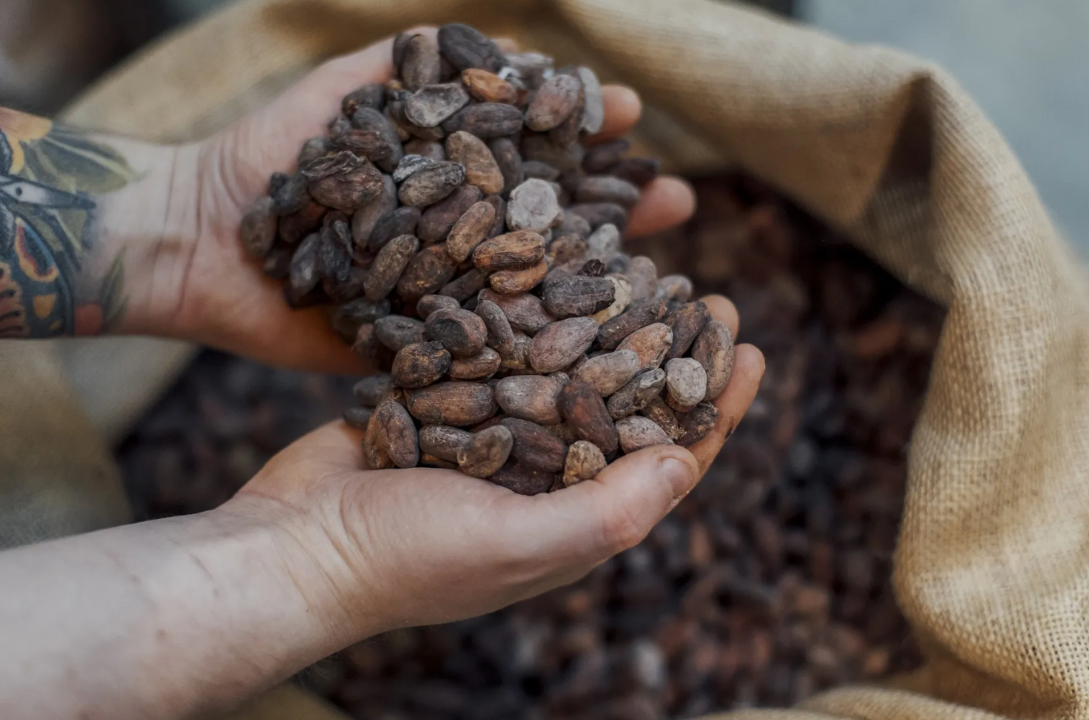
Cocoa futures surged sharply on Monday, leading a broader advance across soft commodities as traders reacted to renewed supply concerns, technical buying and weather-related risks. New York cocoa jumped more than 12% to close at $4,709 per metric ton, reversing Friday’s steep decline and reaching its highest level since January 20. London cocoa also rallied strongly, rising nearly 12% to 3,484 pounds per ton.
The move put cocoa back at the center of the commodity market after a volatile start to the year. Traders pointed to a combination of short covering, concerns over West African crop conditions, rising fertilizer costs and the potential arrival of El Niño as key drivers behind the rally. Sugar and coffee also finished higher, supported by technical buying, currency dynamics and shifting expectations around supply.
The latest session shows how quickly sentiment can change in agricultural commodities. Cocoa had fallen sharply on Friday, but Monday’s rebound erased that loss and signaled that traders remain highly sensitive to any sign of tighter future supply.
Cocoa Prices Jump More Than 10%
New York cocoa settled up $527, or 12.6%, at $4,709 per metric ton. Earlier in the session, prices reached $4,777, the highest level since January 20. London cocoa rose 11.9% to 3,484 pounds per ton after also touching its highest level since January 20 at 3,506 pounds.
The size of the move was notable. A rally of more than 10% in one session suggests that traders were not simply responding to one isolated headline. Instead, the market appears to be reacting to several overlapping factors: technical signals, fund positioning, weather risk and physical crop concerns.
Dealers said supportive technical signals encouraged speculators to cover short positions. In futures markets, short covering can accelerate price gains. When traders who had bet on falling prices are forced or encouraged to buy back contracts, their buying adds fuel to the rally.
That appears to have played a major role in Monday’s move. Cocoa had been under pressure, and many funds were positioned for further weakness. Once prices began to recover, short covering likely amplified the upside.
West African Crop Concerns Drive Market Anxiety
The supply story remains central. West Africa is the core of the global cocoa market, with Ivory Coast and Ghana playing dominant roles in production. Any disruption in crop development, quality or mid-crop output can quickly influence global pricing.
Farmers in Ivory Coast reported patchy and below-average rainfall last week. That raised fears of a smaller and lower-quality mid-crop. This matters because cocoa supply depends not only on total tonnage but also on bean quality. If weather conditions reduce size, moisture balance or quality, exporters and processors may face tighter usable supply.
The market is also watching flower formation on West African cocoa fields. Weak flower formation can signal lower future pod development, which can eventually reduce crop potential. Traders are particularly alert because supply concerns have already played a major role in cocoa’s price volatility over the past several seasons.
The combination of weak rainfall, crop-quality concerns and poor flower formation created a bullish backdrop for Monday’s rally.
El Niño Adds Another Layer of Risk
The possible arrival of El Niño is another factor supporting cocoa prices. El Niño can alter rainfall patterns and temperature conditions across important agricultural regions. For cocoa, the concern is that weather stress could reduce production or damage crop development in West Africa.
Some analysts are beginning to reduce expectations for the 2026/27 crop. That said, weather analysts have warned that the full production impact may not appear until next year. This distinction matters. Markets often price risk before the physical damage becomes visible, especially when inventories or supply expectations are already fragile.
For traders, the question is not only whether El Niño will damage cocoa output immediately. It is whether the risk is large enough to justify higher prices now. Monday’s rally suggests many market participants are becoming less comfortable with the idea that future supply will remain abundant.
If weather forecasts continue to point toward adverse conditions, cocoa could remain highly volatile.
Fertilizer Costs Add Pressure to Production Outlook
Soaring fertilizer prices are another concern. Higher fertilizer costs can reduce farm-level application, especially among smaller producers with limited cash flow. In cocoa-producing regions, lower fertilizer use can affect yields, tree health and long-term productivity.
This is important because cocoa supply does not respond as quickly as some other crops. Trees require careful maintenance, and yield recovery can take time. If farmers reduce inputs because fertilizer becomes too expensive, the effect may not be limited to one harvest.
Rising fertilizer costs also come at a difficult time for West African producers. Weather volatility, disease risk and aging trees have already challenged output in recent years. Any additional pressure on farm inputs can reinforce supply concerns.
For traders, fertilizer inflation adds another reason to question optimistic crop forecasts.
Technical Signals Trigger Short Covering
While the fundamental backdrop was supportive, the speed of Monday’s rally points strongly to technical buying. Dealers said short sellers were covering positions as cocoa prices broke higher. That can create a feedback loop.
The process is simple. Prices rise above key technical levels. Short sellers buy futures to close positions. That buying pushes prices higher. Additional technical levels are triggered, encouraging more buying. The result can be a fast, sharp rally even if physical fundamentals have not changed dramatically in one day.
This does not mean the rally is meaningless. Technical moves often reflect a shift in market positioning. If too many traders were leaning bearish, a change in momentum can produce a powerful reversal.
The key question now is whether cocoa can hold the gains. A strong close above recent resistance levels would suggest that Monday’s move has more technical credibility. A quick reversal would indicate that the rally was mostly short covering rather than sustained new demand.
Sugar Rises as Bearish Momentum Fades
Sugar also advanced on Monday. Raw sugar settled up 0.22 cent, or 1.5%, at 14.91 cents per pound after losing 1.7% last week. White sugar rose 1.4% to $437.90 per ton.
The sugar market has been under pressure, but some analysts now believe the bear market may have run its course. Carlos Murilo Barros de Mello, head of sugar at Hedgepoint Global Markets, said the market is seeing a technical rally as funds buy futures to reduce net short exposure.
This is similar to the dynamic in cocoa, though less dramatic. When funds hold large short positions, any shift in sentiment can lead to buying as traders reduce risk. In sugar, that buying is linked to concerns about possible supply tightness from higher ethanol production and the looming El Niño pattern.
However, the sugar market still faces a major limiting factor: Brazil’s crop outlook. A strong crop from Brazil, the world’s largest sugar producer and exporter, can cap price gains. If Brazilian supply remains large, rallies may struggle to extend unless ethanol demand or weather risks become more severe.
Ethanol Link Supports Sugar Sentiment
The connection between sugar and ethanol is important. In Brazil, sugarcane can be used to produce either sugar or ethanol. When energy prices rise or ethanol demand strengthens, mills may choose to direct more cane toward ethanol production. That can reduce sugar output and support sugar prices.
The current market is watching this balance closely. If rising energy prices increase the incentive to produce ethanol, sugar availability could tighten. At the same time, the potential for El Niño-related weather disruptions adds another layer of uncertainty.
Still, the bullish case is not one-sided. A good Brazilian crop could keep supply comfortable and limit the upside. This is why sugar’s rally was moderate compared with cocoa’s surge.
For now, sugar appears to be recovering from bearish exhaustion rather than entering a confirmed major bull trend.
Coffee Recovers From Fresh Lows
Arabica coffee also finished higher. The contract settled up 7.5 cents, or 2.7%, at $2.823 per pound. Earlier in the session, arabica had fallen to a fresh 1-1/2-year low at $2.68 before recovering.
That intraday rebound is significant because it suggests buyers stepped in after prices reached new lows. The coffee market has been pressured by expectations for a bumper crop in Brazil, the world’s largest producer. A large Brazilian harvest can weigh on prices by increasing available supply.
However, Brazilian farmers have been slow to sell, according to broker Carvalhaes. Slow farmer selling can support prices because it limits immediate supply reaching the market. Even if production expectations are strong, physical availability can tighten temporarily when producers hold back.
Currency dynamics also played a role. The Brazilian real strengthened to its highest value against the dollar since January 2024. A stronger real reduces the amount of local currency Brazilian farmers receive for dollar-denominated coffee sales. That often discourages selling and can support global prices.
Strong Brazilian Real Slows Producer Selling
The Brazilian real is an important driver for coffee markets. Coffee is priced internationally in dollars, but Brazilian producers think in local currency. When the real strengthens, exporters and farmers receive fewer reais for the same dollar price. This can make them less willing to sell unless prices rise enough to compensate.
That appears to be one reason farmers are moving slowly, despite expectations for a strong crop. If producers are not eager sellers, the market may find support even in the face of bearish production forecasts.
This creates a mixed setup. On one side, a bumper crop can pressure prices. On the other, slow selling and currency strength can limit downside momentum. Monday’s recovery from a fresh low suggests the market may be trying to find short-term support.
Robusta coffee also gained, rising 2.6% to $3,504 per ton.
Soft Commodities Respond to Positioning and Weather
Monday’s session showed a common theme across soft commodities: positioning and weather risks are driving price action. Cocoa rallied sharply on crop concerns and short covering. Sugar rose as funds reduced bearish exposure. Coffee recovered as currency factors and slow Brazilian selling offset pressure from crop expectations.
This does not mean all three markets have the same outlook. Cocoa has the clearest supply-risk story. Sugar has a technical rebound but remains capped by Brazil’s crop potential. Coffee remains caught between large supply expectations and limited producer selling.
Still, the broader message is clear. Traders are reassessing bearish positions across several soft commodities. When funds are heavily short and new supply risks appear, prices can move quickly.
What Traders Should Watch Next
For cocoa, the next key factors will be rainfall in West Africa, crop-quality reports from Ivory Coast and Ghana, updates on flower formation and any further revisions to 2026/27 crop forecasts. Traders will also watch whether the market holds Monday’s breakout levels.
For sugar, the focus will be Brazil’s crop progress, ethanol parity, fund positioning and El Niño forecasts. If mills shift more cane toward ethanol, sugar prices could find more support. If Brazilian sugar output remains strong, rallies may be capped.
For coffee, traders should monitor Brazilian harvest progress, farmer selling, the real-dollar exchange rate and demand from roasters. A stronger real can continue to slow selling, but a large harvest may still limit upside.
Across all three markets, crude oil and broader commodity sentiment may also matter. Higher energy prices can support sugar and soy-related biofuel markets, while inflation and currency shifts can influence agricultural pricing more broadly.
Cocoa futures surged on Monday, with New York cocoa jumping 12.6% to $4,709 per metric ton and London cocoa rising 11.9% to 3,484 pounds per ton. The rally was driven by short covering, technical buying and renewed supply concerns tied to West African rainfall, weak flower formation, fertilizer costs and the possible arrival of El Niño.
Sugar also gained as funds reduced short exposure and traders reassessed the risk of tighter supply from ethanol demand and weather uncertainty. Raw sugar settled at 14.91 cents per pound, while white sugar rose to $437.90 per ton. Coffee recovered from fresh lows, supported by slow Brazilian farmer selling and a stronger real.
The soft commodity complex is becoming more reactive to supply risk and positioning. Cocoa currently has the strongest bullish impulse, but all three markets remain sensitive to weather, currency moves, fund behavior and physical supply signals. For now, Monday’s rally shows that traders are no longer comfortable ignoring potential supply stress in key agricultural commodities.